Sliding & picture windows
Sliding and picture windows can make a room feel bigger and brighter. They can also be a practical replacement choice, but the best option depends on airflow, glass package, frame, and how the window will be installed.
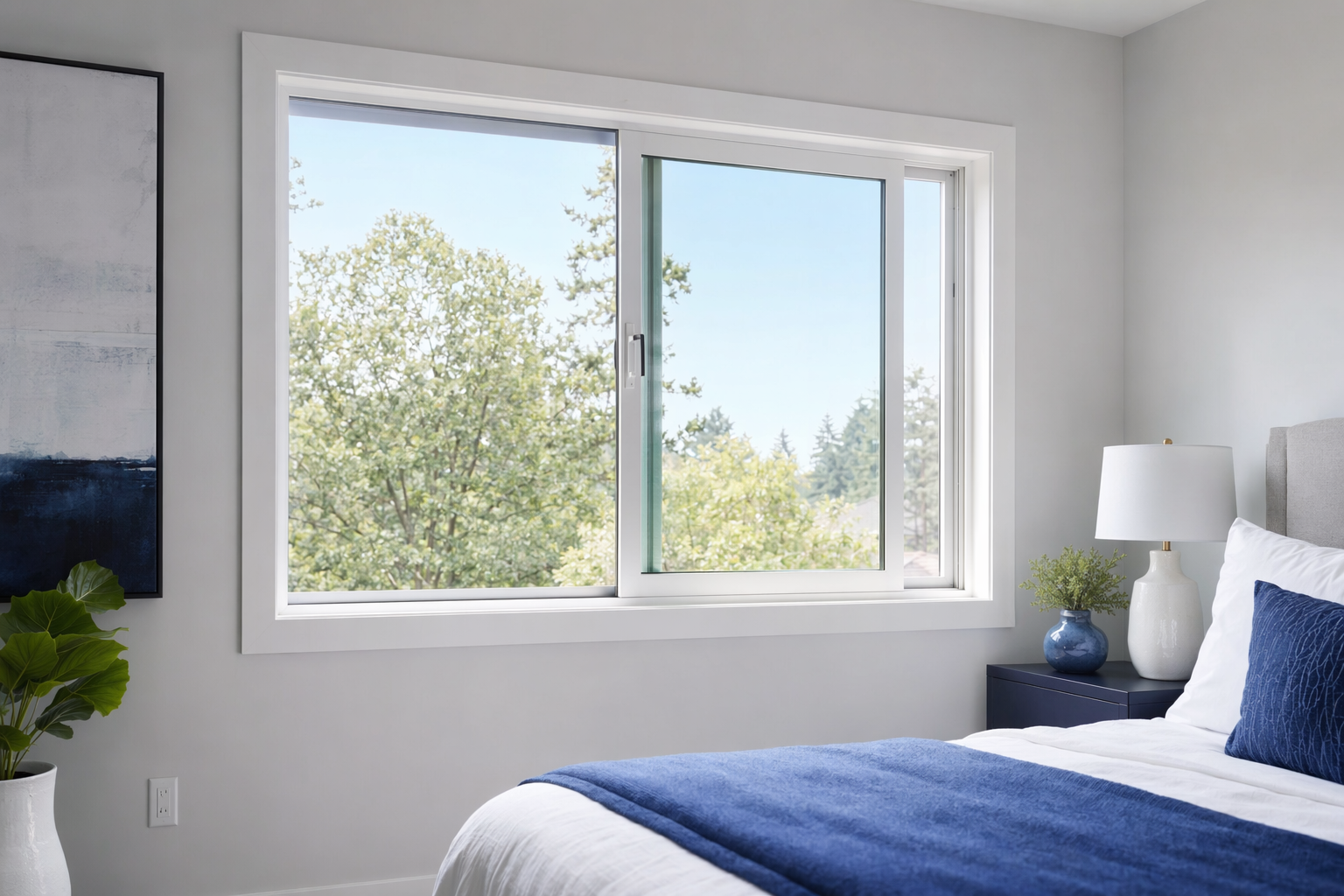
What sliding and picture windows are good at
Sliding windows open by moving one or more sashes sideways on a track. Picture windows do not open. They are fixed glass made to bring in light and views.
These two styles are often paired together. A common setup is a large fixed center window with sliding units on one or both sides. That gives you a wide view plus some ventilation.
Why homeowners like them:
- Wide view: less visual interruption than some divided styles
- Good daylight: especially with a large picture window
- Easy operation: sliders are simple for many people to use
- Great fit for some rooms: living rooms, family rooms, bedrooms, and spaces facing a yard or view
A few tradeoffs matter too:
- Sliding windows usually do not open as fully as a casement window
- Picture windows give no airflow at all
- Slider tracks need cleaning so they keep moving well
- Very large glass areas can raise the price fast, especially with upgraded glass
If you are still choosing between styles, compare airflow and cleaning needs with casement windows before you decide.
How replacement usually works
SashPoint is a free matching service. We help you understand the project and get connected with licensed, insured window installers in your area. You compare quotes, you choose who to hire, and you hold the final payment.
A typical replacement project looks like this:
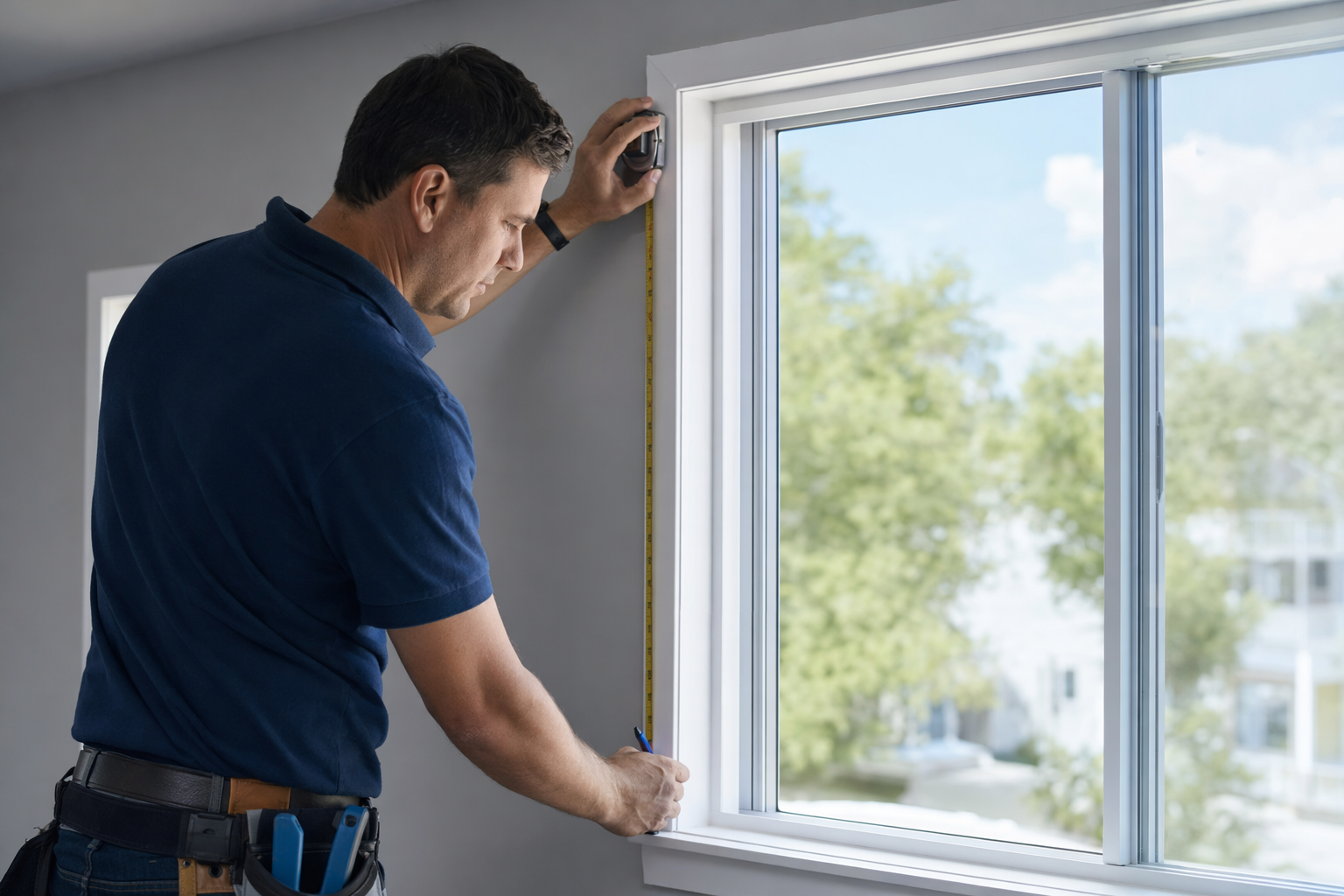
- Measure and identify the opening. The installer checks size, room, exterior exposure, and whether you need a matching set of windows.
- Choose the style and glass package. This includes frame material, double or triple pane, Low-E coating, argon gas, and target energy ratings like U-factor and SHGC.
- Pick insert or full-frame replacement. Insert replacement keeps more of the existing frame if it is sound. Full-frame replacement removes more of the old unit and can solve hidden rot or fit problems, but often costs more.
- Get the scope in writing. The written quote should list the exact window style, frame, glass package, energy ratings if available, interior and exterior finish details, and cleanup.
- Verify license and insurance yourself. Ask for current proof. Also ask who handles permits if your local code requires them.
For a broader cost overview, see window replacement costs.
Typical cost per window
Installed cost for replacement windows is usually a range, not a fixed number. Real price depends on the number and size of windows, the window style and glass package, the home's age and condition, the climate and local energy rates, and the area.
Typical installed ranges many homeowners see:
- Standard sliding window: about $400-$1,200 each
- Picture window: often $500-$1,500+ each depending on size and glass upgrades
- Large combination units: can run higher because bigger openings and more glass usually cost more
- Whole-house projects: often $8,000-$25,000+ depending on count, size, installation method, and options
What pushes price up:
- Larger openings or custom sizes
- Triple-pane glass
- Impact-resistant or special tempered/laminated glass where required
- Fiberglass or wood frames instead of basic vinyl
- Full-frame replacement instead of insert replacement
- Exterior trim, interior casing repairs, or old-frame damage
What can keep price more manageable:
- Standard sizes
- Vinyl frames
- Double-pane Low-E glass instead of premium upgrades you may not need
- Replacing several windows at one time instead of one custom unit later
Ask every installer to show the same scope on each estimate. If one quote includes full-frame replacement and another quote is insert-only, the numbers will not be apples to apples.
Energy and comfort: what these windows can and cannot do
Good replacement windows can reduce drafts and help with comfort near the glass. They may also lower heating and cooling use. But be careful with big promises. Savings are usually modest and vary widely. They depend on the number and size of windows, the window style and glass package, the home's age and condition, the climate and local energy rates, and the area. No honest company can guarantee the same savings for every home.
A few simple rules help:
- U-factor: lower is generally better for reducing heat loss
- SHGC: lower can help block solar heat in hot climates; a higher number may help capture winter sun in some colder climates
- Low-E coating: helps control heat transfer without making the glass dark like old tint
- Double pane vs triple pane: triple can improve comfort and sound control in some homes, but it does not always pay off
- Argon gas: common between panes; it can help performance, but it is only one part of the package
Picture windows often perform well because they do not open, so there are fewer moving parts and air-leak paths. Sliding windows can still perform well, but quality of the frame, weatherstripping, and installation matters.
If energy performance is a big reason for your project, read energy-efficient windows and window energy ratings explained.
Pros and cons by style
Sliding windows
Pros:
- Easy to open for many people
- Good for wider wall spaces
- Usually simple, familiar operation
- Often cost less than some crank-open styles
Cons:
- Usually open only partway, not the full opening
- Tracks collect dirt and need cleaning
- Air sealing can vary by product quality
- Exterior cleaning may be harder on upper floors
Picture windows
Pros:
- Maximum light and view
- No operating hardware to wear out
- Often strong energy performance because the unit is fixed
- Great in places where you do not need ventilation
Cons:
- No airflow at all
- Large glass can increase glare or heat gain without the right glass package
- Big units can be expensive to replace
- Emergency egress rules may matter in some rooms, so local code and room use should be checked
For frame choices like vinyl, fiberglass, and wood, see the frame material guide.
What to ask before you sign
This is where homeowners often get burned. Ask direct questions and get the answers in writing.
- Is this an insert replacement or full-frame replacement? Why?
- What exactly is the glass package? Ask for double or triple pane, Low-E, gas fill, tempered glass if needed, and the listed U-factor and SHGC.
- What frame material is included? Vinyl, fiberglass, or wood changes price and maintenance.
- Who measures and who installs? Ask whether the same company crews do the work.
- Are interior or exterior trim repairs included?
- What is excluded from the quote? Paint, drywall repair, rotten wood, code upgrades, disposal, permits?
- What is the deposit amount and payment schedule? Final payment should wait until the work is complete and you have inspected it.
- What warranty applies to the product and to labor? Get both in writing.
Before any deposit, verify the installer is licensed and insured yourself. Follow local permit and building-code rules. If a salesperson will not leave a written scope, slow down and keep shopping.
If you want help comparing the actual glass package details, use the glass package guide.
How to vet an installer and use SashPoint smartly
SashPoint does not install windows. We help you get matched with companies so you can compare your options without paying for the match.
Use this short checklist:
- Get at least two written quotes. Three is better for a bigger project.
- Verify license and insurance yourself. Do not rely only on a verbal claim.
- Match the scope. Same style, same frame, same glass package, same installation method.
- Check measurements and lead times. Custom sizes can change both price and schedule.
- Read the warranty carefully. Product warranty and labor warranty are not the same thing.
- Inspect before final payment. Open and close every operable window. Look at caulk lines, trim, locks, screens, and cleanup.
If you are ready to compare local options, start here: get matched. And if you want a step-by-step checklist for screening companies, read how to vet a window installer.
Sliding windows give you airflow. Picture windows give you light and a wide view. Compare the same glass package and installation method on each written quote, verify license and insurance yourself, and do not pay the final amount until the job is complete and you have checked every window.