Bay & bow windows
Bay and bow windows can open up a room, bring in more light, and add a sitting ledge or extra floor space. They also cost more than a basic flat window, so it helps to know what changes the price, what to ask, and how to compare installers clearly.
What bay and bow windows are
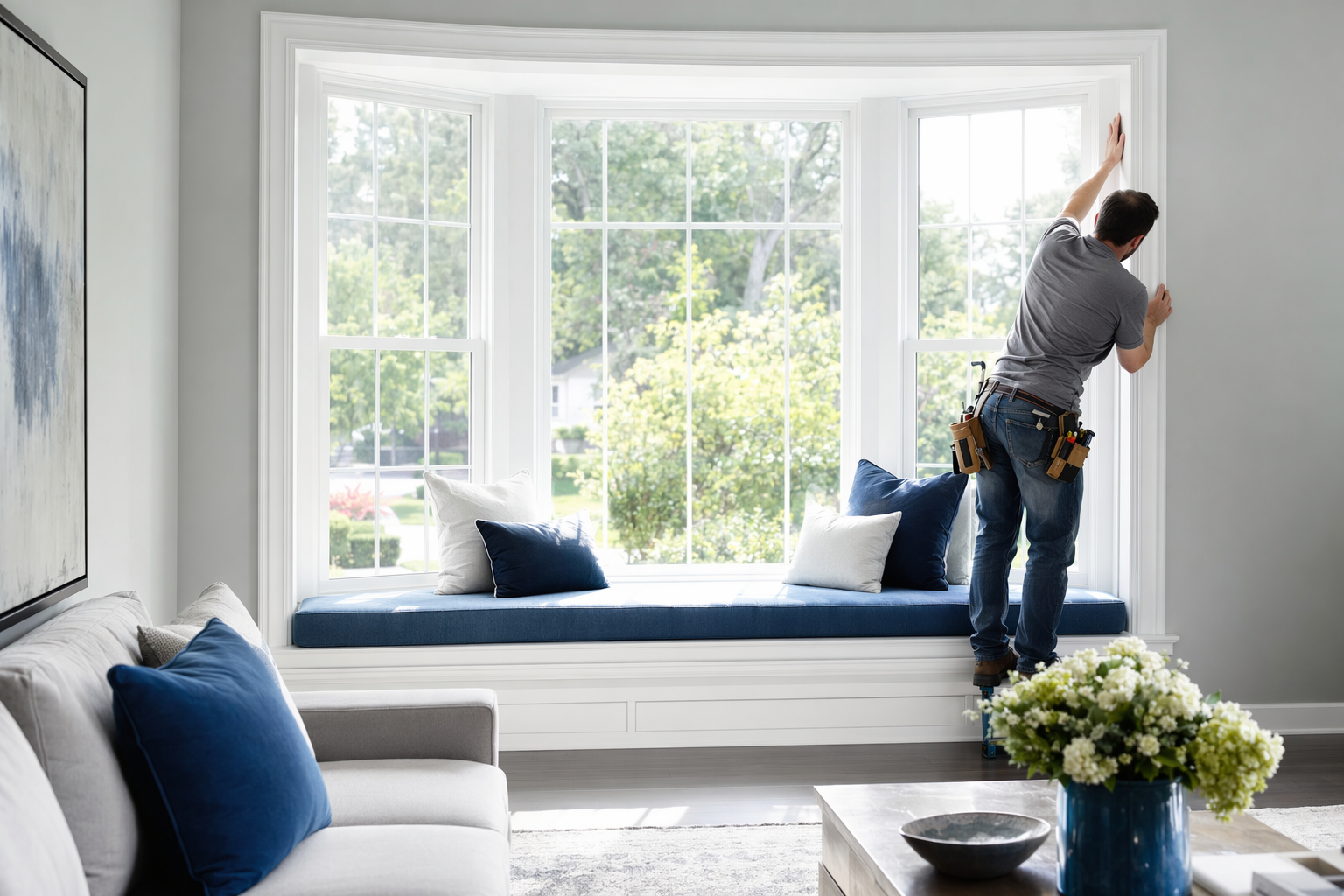
A bay window usually has 3 sections that project out from the house. The center unit is often a fixed picture window, with operable windows on the sides. A bow window is usually 4 to 6 sections and makes a softer, curved look.
Both types stick out past the exterior wall. That means they are not just a style choice. They can affect trim, roofing above the unit, interior finish work, support, insulation, and water management.
Common choices include:
- Bay: more angular look, often larger center glass area
- Bow: wider, more rounded look, often more glass sections
- Operable side units: can help with airflow
- Fixed center units: often lower air leakage than operable units
If you are still deciding between styles, compare how they function with other designs like casement windows or standard double-hung units. Bay and bow windows look impressive, but they are usually a bigger project than replacing a regular flat window.
How the replacement process usually works
Bay and bow replacements are often more involved than a simple insert replacement. Some jobs are close to a like-for-like swap. Others need framing or finish work because the old unit has water damage, settling, or weak support.
A typical process looks like this:
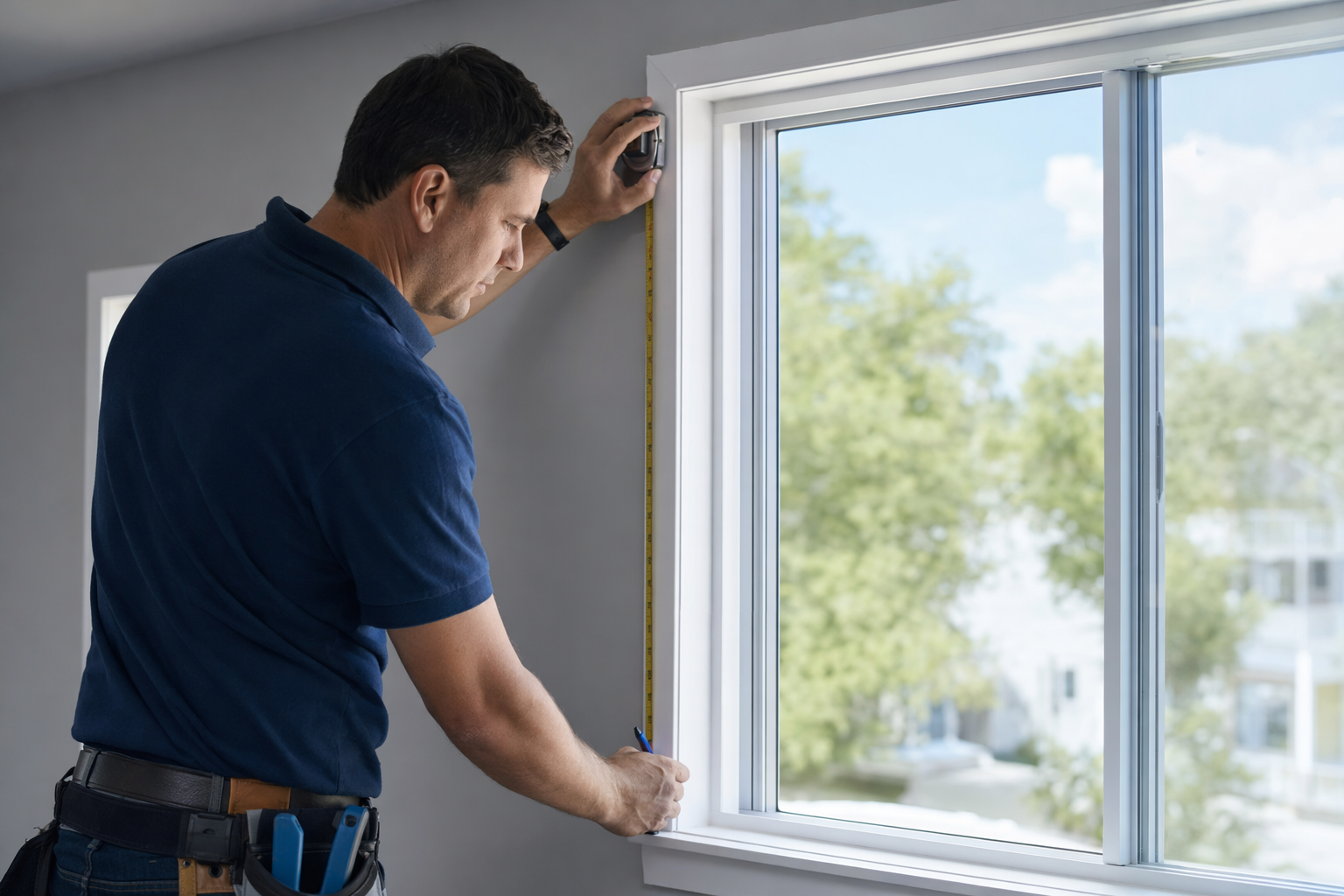
- Measure the opening and projection. The installer checks width, height, how far the unit projects, roof or overhang details, interior stool or seat area, and exterior condition.
- Choose the window setup. You pick the number of sections, which parts open, frame material, glass package, interior color, exterior color, and trim details.
- Review the installation method. Ask whether it is an insert-style replacement or a more complete removal. For bay and bow windows, many projects involve more trim and support work than a normal insert window.
- Get the scope in writing. The written scope should say the frame material, glass package, hardware, Low-E coating, gas fill if included, and target ratings like U-factor and SHGC if provided.
- Confirm permits and code steps. Follow local permit and building-code rules. Ask the installer what is required in your area, but verify it yourself.
- Installation and finish work. Old unit comes out, opening is prepared, new unit is set, insulated and flashed, then interior and exterior trim are completed.
Because this type of window projects outward, details matter. If the support, flashing, or sealing is done poorly, that is where homeowners can get burned. Before you sign anything, read how to vet a window installer and make sure you hire a licensed and insured company. Verify the license and insurance yourself, and get the price and scope in writing before any deposit.
Typical bay and bow window costs
For most homeowners, a typical installed cost for a bay or bow window is about $1,500 to $4,500 per window. Larger custom units, premium materials, or more difficult installations can run higher.
These are estimates, not quotes. The real price depends on:
- the number and size of windows
- the window style and glass package
- the home's age and condition
- the climate and local energy rates
- the area and labor costs
- whether the job needs extra trim, support, repair, or finish work
Price usually goes up with:
- larger projection from the wall
- more glass sections
- operable side windows instead of all fixed glass
- fiberglass or wood instead of vinyl
- triple-pane glass instead of double-pane
- interior staining or custom exterior colors
- rot repair or structural repairs found after removal
A whole-house project with mostly standard windows often falls around $8,000 to $25,000+, but bay and bow units can take a big share of that budget because they are specialty products.
If you want a broader pricing baseline before you talk to anyone, start with window replacement costs. Then compare at least 2 to 3 written proposals. You compare quotes, you choose who to hire, and you hold the final payment until the work matches the written scope.
Energy and comfort: what to expect honestly
Bay and bow windows can make a room feel brighter and more open. But more glass and more exposed surface area can also mean more heat gain or heat loss if you choose the wrong package.
The good news: newer windows can reduce drafts and improve comfort. The honest part: energy savings are usually modest and vary a lot. They are not a guaranteed payoff. Real savings depend on the number and size of windows, the glass package, the home's age and condition, the climate and local energy rates, and the area.
When comparing options, pay attention to:
- U-factor: lower usually means better insulation
- SHGC: shows how much solar heat comes through the glass
- Low-E coating: helps control heat transfer
- Double vs triple pane: triple can help in some climates, but costs more
- Argon gas: commonly used between panes to improve thermal performance
- Frame material: vinyl, fiberglass, and wood all perform differently
For many homes, a good double-pane Low-E unit is the practical middle ground. In colder or noisier areas, triple-pane may be worth pricing out. In sunny climates, the right SHGC matters as much as the pane count.
If this part feels confusing, that is normal. Read energy-efficient windows for the basics, and review window energy ratings explained before you compare proposals. Ask each installer to list the glass package and ratings in writing so you are not comparing vague promises.
Pros and cons before you buy
Bay and bow windows are not for every house or every budget. Here is the plain truth.
Pros
- Adds a more open look from inside
- Brings in a lot of natural light
- Can improve views and make a room feel larger
- Often creates a shelf or seat area
- Can boost curb appeal
- Side operable units may improve ventilation
Cons
- Costs much more than a basic flat replacement window
- Installation is more complex
- More chances for problems if support and flashing are done badly
- Energy performance depends heavily on the glass package and installation quality
- Interior and exterior finish work can add cost
- Some homes may need repairs discovered only after removal
A smart approach is to decide what matters most to you:
- Looks and light? Bay or bow may be worth the extra cost.
- Best budget value? A standard replacement style may give more square footage of upgrade for the same money.
- Comfort and efficiency? Focus on the glass package, frame, and installation quality, not just the shape.
Frame choice also matters. Vinyl is often the lower-cost option. Fiberglass is stable and durable. Wood can look beautiful but usually needs more upkeep. Compare materials in the frame material guide.
What to ask before you sign
This is where homeowners protect themselves. Ask direct questions, and ask for direct written answers.
Use this checklist:
- Are you licensed and insured for this work in my area? Verify both yourself.
- What exactly is included in the price? Ask about removal, disposal, trim, finish work, insulation, flashing, and cleanup.
- What glass package am I getting? Get the pane count, Low-E details, gas fill, and any listed U-factor or SHGC in writing.
- What frame material is included? Vinyl, fiberglass, or wood can change price and maintenance.
- Is this a full-frame replacement or a more limited insert approach? Bay and bow projects can vary a lot here.
- What happens if rot or water damage is found? Ask how change orders are handled.
- What permits are required? Follow local permits and code.
- What deposit is required, and when is final payment due? Do not release final payment before the work matches the written scope.
Do not rely on verbal promises. Get the price, materials, scope, and ratings in writing before any deposit. If two proposals use different glass packages or different levels of finish work, they are not equal bids even if the price looks close.
How SashPoint helps
SashPoint does not install or manufacture windows. We are a free matching service that helps homeowners understand the project and connect with licensed and insured window installers.
Here is how it works:
- You share basic project and contact details
- We help match you with participating installers in your area
- You compare the written proposals
- You choose who to hire, or hire no one at all
Matching is free to the homeowner. Participating installers pay a flat fee to take part.
If you are ready to compare bay or bow window options, start here: get matched. Keep the process simple. Compare the scope, compare the glass package, verify license and insurance, and do not rush the deposit.
Bay and bow windows look great, but they cost more and need careful installation. Compare 2 to 3 written quotes, verify license and insurance yourself, check the glass package and ratings in writing, follow local permits, and do not pay the final amount until the work is done right.