Double-hung windows
Double-hung windows are one of the most common replacement window styles in the US. They are familiar, easy to use, and often a practical fit for older homes, but the real value depends on the frame, glass package, installation method, and who installs them.
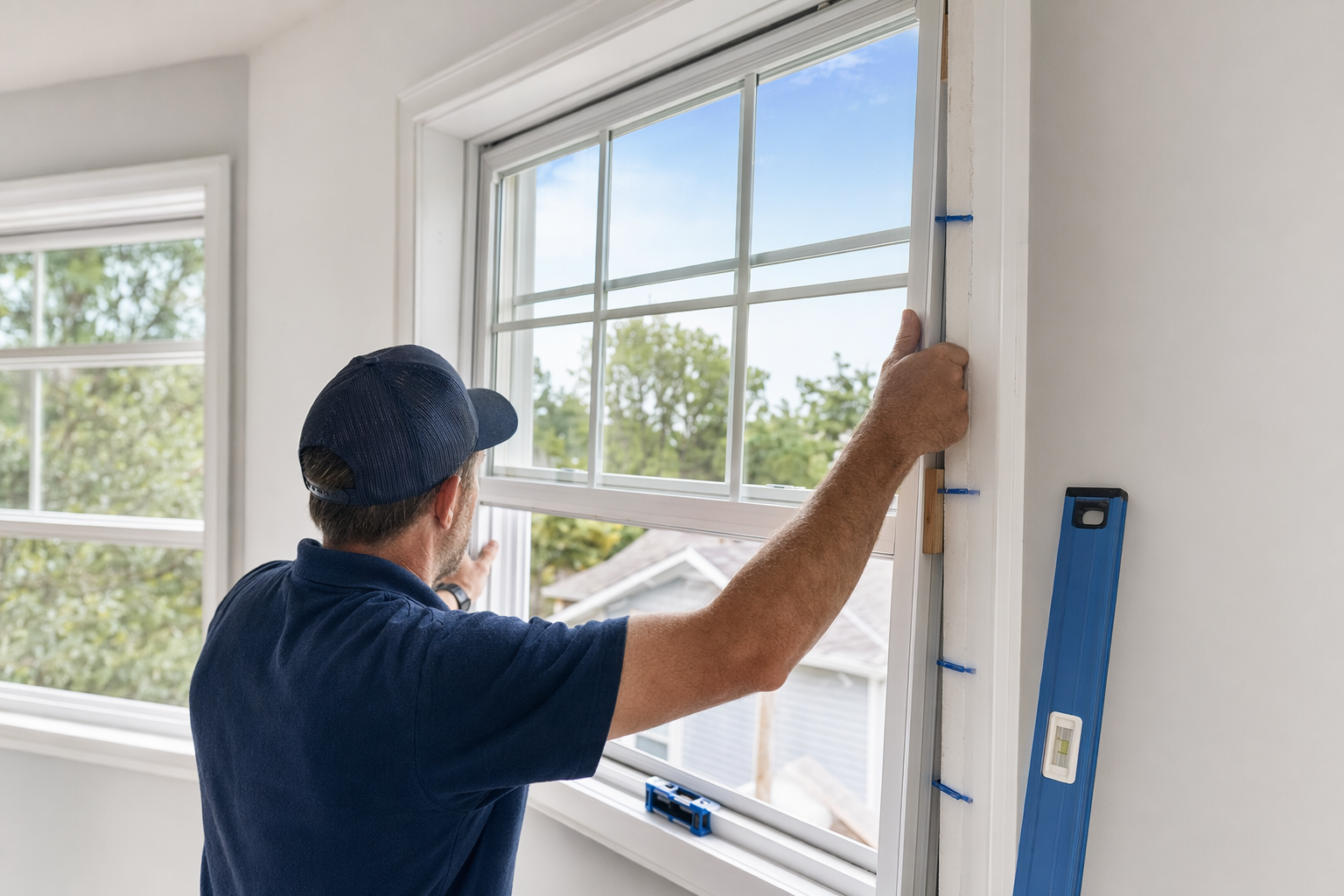
What a double-hung window is
A double-hung window has two movable parts called sashes. The bottom sash slides up. The top sash slides down. You can open one or both for ventilation.
This style is popular because it is simple and flexible. Many homeowners choose it when they want a traditional look that works in bedrooms, living rooms, and whole-house replacements.
A few practical things make double-hung windows different from other styles:
- Both sashes move, so you can vent from the top, bottom, or both
- Many models have tilt-in sashes for easier cleaning from inside
- They usually fit homes with a more classic or standard window look
- Screens are common and easy to use
- They typically do not open as wide as some side-hinged windows
If you are comparing styles, see casement windows and our overview of double-hung windows features homeowners usually care about most.
How replacement usually works
For most homes, replacing a double-hung window goes like this:
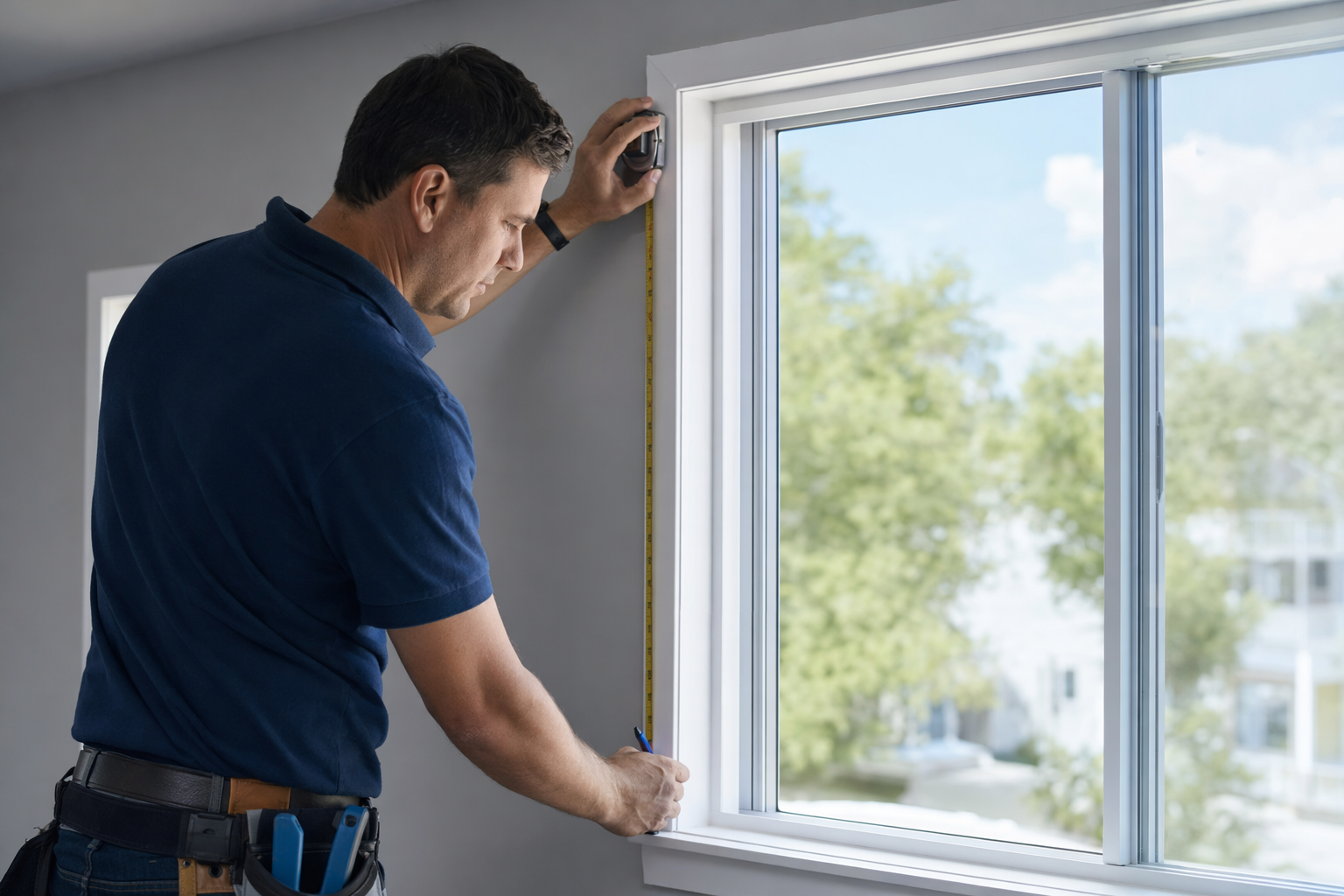
- Measure the existing opening. The installer checks width, height, depth, trim condition, and whether the current frame is still sound.
- Choose insert or full-frame replacement. An insert goes into the existing frame if that frame is in good shape. A full-frame replacement removes more of the old unit and may be better if there is rot, water damage, or air leakage around the frame.
- Pick the frame and glass package. Common frame materials are vinyl, fiberglass, and wood. Glass options often include double pane, triple pane, Low-E coating, and argon gas fill.
- Installation day. Old windows come out, the new units are set, shimmed, insulated, sealed, and trimmed.
- Final check. Before final payment, test each window. Open it. Lock it. Tilt it in if that feature is included. Make sure the labels and paperwork match what you ordered.
A good installer should explain whether you need insert or full-frame replacement and why. Get that scope in writing before any deposit, along with the frame type, glass package, and key ratings like U-factor and SHGC. Follow local permit and building-code rules, and always hire licensed and insured installers and verify the license and insurance yourself.
If you want help comparing local companies, get matched with licensed and insured installers through SashPoint. The matching service is free to homeowners.
Typical double-hung window cost
For a standard-size replacement double-hung window, a typical installed cost is often around $400 to $1,200 per window. That is a normal planning range, not a quote or guarantee.
Real price depends on:
- Number of windows in the project
- Size of each opening
- Frame material: vinyl is often lower-cost, fiberglass often higher, wood can be higher still
- Glass package: basic double pane vs upgraded Low-E, argon, or triple pane
- Insert vs full-frame replacement
- Home age and condition, including trim, rot, or out-of-square openings
- Your climate and area, plus labor rates and permit requirements
For a whole-house project, many homeowners land somewhere around $8,000 to $25,000+, depending on how many windows they replace and the options they choose.
A few honest pricing notes:
- The lowest price is not always the best value if the glass package is weak or the installation scope is unclear
- Full-frame replacement can cost more up front, but it may make sense when the old frame has damage
- Triple pane and premium frames can raise the price fast, and they are not always necessary in every climate
For broader budgeting help, see window replacement costs and our frame material guide.
Energy, comfort, and what the labels mean
New double-hung windows can improve comfort more than homeowners expect. Rooms may feel less drafty. Glass may feel less cold near the sofa or bed. Outside noise may also improve somewhat, depending on the glass package and installation quality.
Actual energy savings are usually more modest than sales pitches make them sound. Efficient windows can reduce heat loss and solar heat gain, but savings vary widely by the number and size of windows, the old windows you are replacing, the climate, thermostat habits, local energy rates, and the rest of the home's insulation and air sealing. Think of savings as an estimate, not a promise.
When comparing options, pay attention to:
- U-factor: lower usually means better insulation
- SHGC: how much solar heat the window lets in
- Low-E coating: helps manage heat transfer
- Double vs triple pane: triple can help in some climates, but costs more
- Argon gas: common between panes for better performance
- ENERGY STAR labels: useful, but still compare the actual ratings
Double-hung windows can be energy efficient, but the style itself is only part of the story. The frame, glass, and installation matter a lot. Learn more in window energy ratings explained and our glass package guide.
Pros and cons of double-hung windows
No window style is perfect for every room. Double-hung windows have real strengths, and a few tradeoffs.
Pros
- Familiar and versatile for many home styles
- Top and bottom ventilation can be useful for airflow
- Often easier to clean if the sashes tilt in
- Works well where an outward-opening sash would hit a walkway, porch, or landscaping
- Widely available, so comparing options is usually easier
Cons
- More moving parts can mean more places for wear over time
- They may not seal as tightly as some hinged styles when closed
- Opening area is usually less than a casement window of similar size
- Very low-cost models can feel loose or develop balance issues sooner
For many homeowners, the best reason to choose double-hung is simple: they fit the house, they are easy to live with, and the price is often reasonable. But if maximum airflow or a tighter seal is your top priority, compare them to other styles before you decide.
What to ask before you sign
This is where people often get burned. Ask clear questions. Get clear written answers.
Bring this checklist to every estimate:
- Is this an insert or full-frame replacement? Why?
- What frame material is included? Vinyl, fiberglass, or wood?
- What glass package is included? Double pane or triple pane? Low-E? Argon?
- What are the U-factor and SHGC numbers?
- What trim, insulation, and exterior sealing work is included?
- Who handles permits if required locally?
- What happens if rot or water damage is found after removal?
- What warranty applies to the product and to labor? Get both in writing.
- How much is the deposit, and when is final payment due? Hold final payment until the job is complete and you have inspected it.
Also ask for proof of license and insurance, then verify both yourself. Do not rely only on a business card or verbal promise. Make sure the written scope matches what the salesperson said, especially the exact window model, frame, glass package, and ratings.
If you want a step-by-step checklist, read how to vet a window installer.
How SashPoint helps
SashPoint does not install or manufacture windows. We are a free matching service that helps homeowners understand their options and connect with licensed, insured local installers.
Here is the simple version:
- You share basic project and contact details
- We help match you with participating installers in your area
- You compare the proposals
- You choose who to hire
- You control the final payment
Participating installers pay SashPoint a flat fee to take part. The matching service is free to you as the homeowner.
That matters because the goal is not to push one window. The goal is to help you compare scope, ratings, and price like a careful buyer. If you are ready to start, get matched and compare local options on your timeline.
Double-hung windows are a common, practical choice, usually around $400 to $1,200 installed for a standard replacement window. Compare licensed and insured installers, verify their credentials yourself, get the exact frame, glass package, U-factor, SHGC, and scope in writing before any deposit, and do not expect guaranteed energy savings.