Window glass packages compared
The glass package changes comfort more than most people expect. It affects drafts, summer heat, outside noise, and price, so it helps to know what you are paying for before you compare installers.
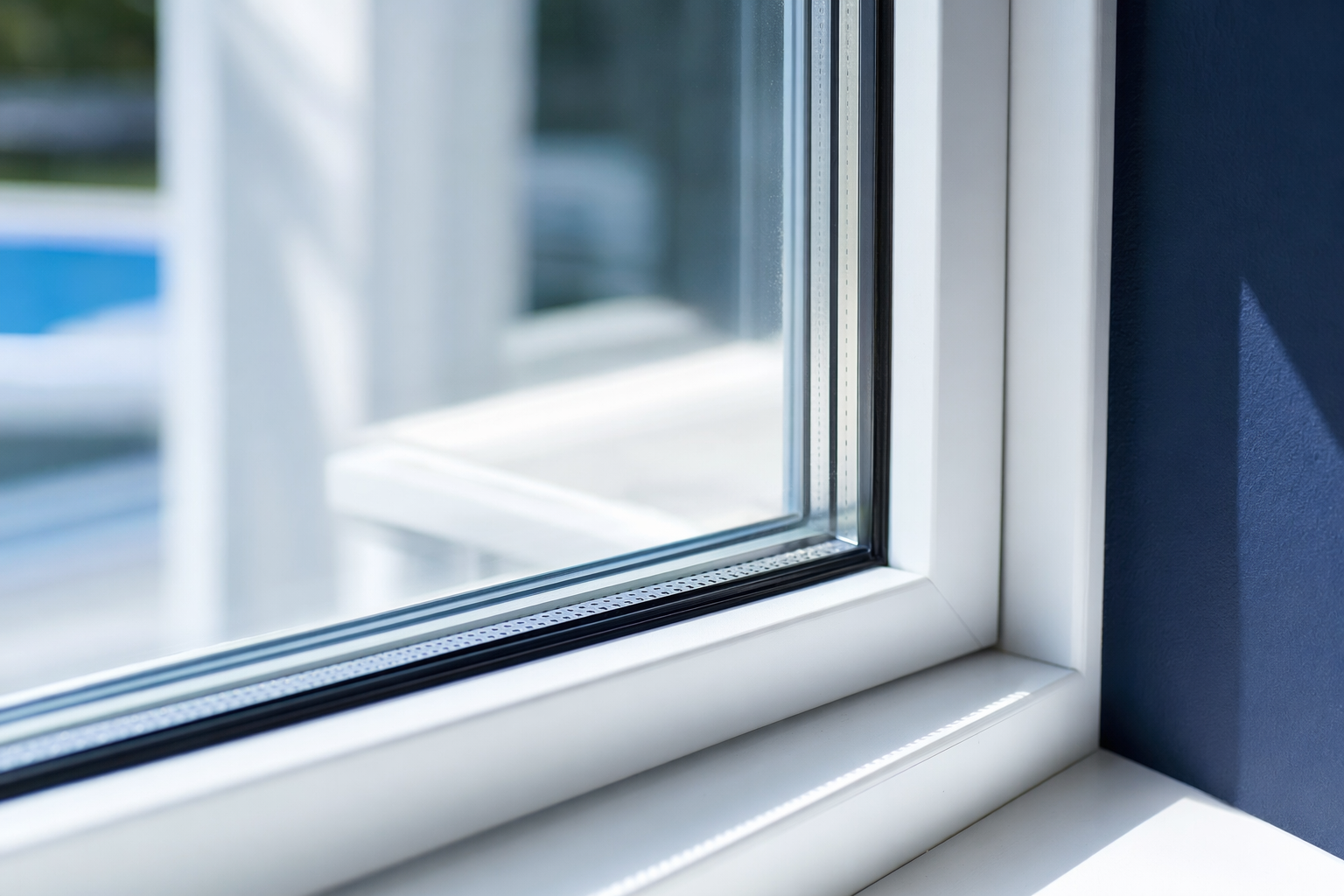
What a window glass package really includes
When people say "glass package," they usually mean the parts and coatings inside the window unit that affect comfort and efficiency. It is not just the glass itself.
A typical package can include:
- Double-pane or triple-pane glass
- Low-E coating, a thin coating that helps reflect heat
- Argon gas or another gas fill between panes
- Tempered or laminated safety glass where code or safety calls for it
- Spacer system around the glass edge, which can affect condensation and efficiency
The package works together with the frame material and the installation. Good glass in a poor frame, or a good window installed badly, can still leave you with drafts or leaks. If you want a broader view, see the frame material guide and window energy ratings explained.
For most homes, the installed price for a standard replacement window often lands around $400-$1,200 per window as a typical range. The glass package can move that up or down. Real price depends on the number and size of windows, window style, glass package, home age and condition, climate, and area. Whole-house projects often run $8,000-$25,000+. These are estimates, not quotes.
How the main options compare
Here is the plain-English version of the choices most homeowners see.
Double-pane
This is the standard choice in many US homes. Two panes with sealed space between them. In many climates, a solid double-pane with the right Low-E coating is the best value.
- Lower cost than triple-pane
- Better comfort than old single-pane windows
- Good fit for many moderate climates
Triple-pane
Three panes instead of two. Usually more efficient and often quieter, but heavier and more expensive.
- Can help in very cold climates or noisy areas
- Costs more up front
- The extra benefit is real in some homes, but not every home needs it
Low-E coating
This matters a lot. Low-E helps manage heat transfer through the glass. There are different types, and the best choice depends on climate.
- In hotter areas, you often want lower solar heat gain to reduce summer heat coming in
- In colder areas, you may want a package that keeps indoor heat from escaping while still letting in some winter sun
Argon gas fill
Common and reasonable. It can improve performance compared with plain air between panes. It is not magic, but it is a normal feature worth asking about.
Laminated glass
Useful for sound control and sometimes security. In some locations and openings, it may also be part of meeting local code or storm requirements.
Impact-rated glass
Often used in storm-prone areas. Typical installed cost is often about $700-$1,600 per window depending on size, frame, and local requirements. Always follow local permits and code.
The key point: do not shop by "double vs triple" alone. Ask how the full package performs on U-factor and SHGC. Those numbers tell you more than a sales label.

The numbers that matter: U-factor, SHGC, and ENERGY STAR
You do not need to become an engineer. You just need to know which numbers to compare.
- U-factor: lower usually means less heat loss through the window.
- SHGC: lower usually means less solar heat comes in from the sun.
- Air leakage: not always listed the same way, but worth asking about.
- ENERGY STAR: a helpful starting point, not the whole story.
A simple way to think about it:
- If your house gets too hot in summer, pay attention to SHGC.
- If your house feels cold near the windows in winter, pay attention to U-factor.
- If you feel drafts, the issue may be the installation, weatherstripping, or frame quality, not only the glass package.
ENERGY STAR labels can help you narrow choices, but do not stop there. Two windows can both qualify and still perform differently in your climate. Ask the installer to write down:
- The exact glass package name
- The U-factor and SHGC
- Whether it is double-pane or triple-pane
- Whether it includes Low-E and argon gas
- Whether the quote is for insert or full-frame replacement
If you want the terms explained in simple language, read window energy ratings explained and the full glass package guide.
Energy-efficient windows can reduce drafts and heat loss, but savings are usually modest and vary widely. Real savings depend on the old windows, the new package, the climate, local energy rates, your home's condition, and how you heat and cool the home. No honest installer or service should guarantee a specific dollar amount or payback period.
How to choose the right package for your home
A good choice starts with your actual problem, not with the most expensive upgrade.
If your main problem is summer heat
Look for a package with a climate-appropriate Low-E coating and ask about lower SHGC. This is often more important than jumping straight to triple-pane.
If your main problem is winter comfort
Ask about a lower U-factor and compare double-pane versus triple-pane based on your climate and budget.
If your main problem is outside noise
Ask about laminated glass or glass with different pane thicknesses. Triple-pane can help, but sound control is not just about having more panes.
If your windows are rotted or out of square
The bigger issue may be the frame opening. In that case, ask whether you need full-frame replacement instead of an insert. Full-frame usually costs more, but sometimes it is the correct fix.
If you live in a storm or coastal area
Ask what local code requires for the exact opening. Do not assume standard glass will qualify.
A few honest buying tips:
- Get at least 2-3 written quotes
- Make sure each quote lists the same scope so you can compare fairly
- Verify the installer is licensed and insured yourself before you hire
- Confirm who handles permits if permits are required in your area
If you want help collecting local options, get matched with licensed and insured installers. SashPoint is a free matching service for homeowners. You compare quotes, choose who to hire, and hold the final payment.
Common mistakes that cost people money
Most window problems start before the install date. Here are the mistakes that trip up homeowners again and again.
- Buying on brand talk instead of written specs. If the quote does not list the glass package, frame, U-factor, and SHGC, you do not know what you are buying.
- Upgrading everything when only some rooms need it. West-facing rooms, bedrooms near a road, or a drafty family room may need a better package more than the whole house does.
- Assuming triple-pane is always worth it. Sometimes it is. Sometimes a well-chosen double-pane package gives better value.
- Ignoring installation quality. A great glass package cannot fix poor measuring, bad flashing, or sloppy sealing.
- Paying a deposit before the scope is clear. Get the product details and labor scope in writing first.
- Not verifying license and insurance. Do not rely on a logo, a truck wrap, or a verbal promise.
Before any deposit, make sure the written scope includes:
- Window style and size
- Frame material
- Glass package details
- U-factor and SHGC
- Insert or full-frame replacement
- Interior and exterior trim work
- Cleanup, disposal, and timeline
- Permit responsibility if needed
- Payment schedule and final payment terms
For a practical checklist, use how to vet a window installer.
What to do next
If you are comparing windows now, keep it simple. Start with the room that bothers you most. Is it hot, cold, noisy, or drafty? Then ask each installer for the same size, same style, and same scope with the glass package clearly listed.
A reasonable next step is to compare:
- one solid double-pane Low-E argon option
- one upgraded package for your main problem, such as lower SHGC, laminated glass, or triple-pane
Then compare the written numbers and total installed price. Most homeowners do best when they focus on comfort, clarity, and installation quality, not just the biggest upgrade.
If you want local quotes to compare, SashPoint can help you get matched with licensed and insured installers at no cost to you. Participating installers pay a flat fee to be included. You still do the comparing, you choose who to hire, and you keep control of the final payment.
Do not buy windows based on sales talk alone. Ask for the glass package, U-factor, SHGC, and full scope in writing, compare 2-3 licensed and insured installers, and choose the option that fits your climate, comfort problem, and budget.