Window energy ratings explained
Window labels can look technical fast. This guide breaks down the ratings that matter most, what they mean for comfort and bills, and how to compare options without getting pushed into upgrades you may not need.
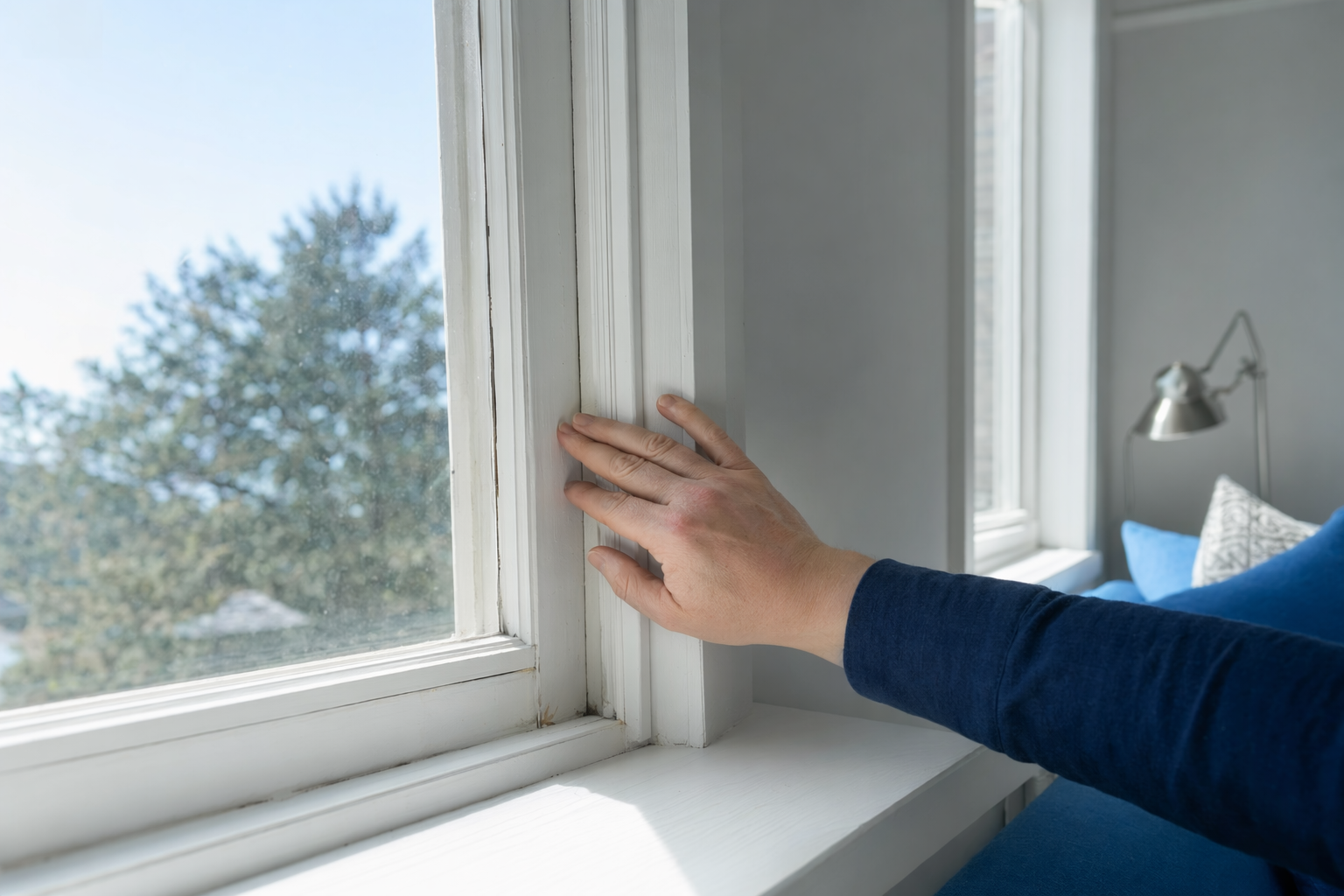
The short version: which ratings matter most
If you only remember three things, remember these:
- U-factor tells you how much heat moves through the whole window. Lower is better.
- SHGC tells you how much solar heat comes through the glass. Lower can help in hot climates. A somewhat higher number can help in colder climates where winter sun is useful.
- The glass package and installation matter just as much as the sales pitch. A good label on a badly installed window will not fix drafts.
You may also see terms like Low-E coating, double-pane, triple-pane, argon gas, air leakage, and visible transmittance. These are real features and ratings, but they only help if they fit your climate, your home, and your budget.
Typical installed costs for replacement windows are often around $400-$1,200 per standard window, but the real price depends on the number and size of windows, the style, the frame material, the glass package, the home's age and condition, the area, and whether the job is insert or full-frame replacement. Energy savings are also estimates, not guarantees. Efficient windows can reduce drafts and heat loss, but actual savings vary with climate, local energy rates, the condition of your current windows, and how the home is insulated and air sealed.
If you want the bigger picture on glass options first, see the glass package guide.
What the main window ratings mean
Here are the labels homeowners see most often.
- U-factor: Measures how well the window keeps heat from escaping. The lower the number, the better the insulation. In many cases, this is the most useful number to compare.
- SHGC (Solar Heat Gain Coefficient): Measures how much of the sun's heat gets through. Lower SHGC usually helps in hot, sunny places. In colder places, a higher SHGC may help on sun-facing windows, but that depends on orientation and comfort goals.
- Visible Transmittance (VT): Measures how much natural light comes through. Higher means more daylight. Good to know, but not usually the first number to decide on.
- Air Leakage (AL): Measures how much air comes through cracks around the window assembly. Lower is better. This matters for comfort because drafts are what people feel.
- Condensation Resistance (CR): Estimates how well the window resists interior condensation. Higher is better. Helpful in cold climates or homes with high indoor humidity.
Then there are the product features:
- Low-E coating: A thin coating on the glass that helps reflect heat. This is common and usually worth having.
- Double-pane vs. triple-pane: Double-pane is common. Triple-pane can improve comfort and noise control, but costs more and is not always the best value in milder climates.
- Argon gas: Gas between panes that helps insulation. Common in better glass packages.
- Frame material: Vinyl, fiberglass, and wood all have tradeoffs in cost, maintenance, and performance. The frame affects efficiency too, not just the glass.
One important point: compare the whole-window rating, not just the center of the glass. A strong glass spec can look good on paper, but the overall window can perform worse if the frame is weaker. For more on frames, see the frame material guide.

How to match ratings to your climate and your house
There is no one "best" energy rating for every home.
In hot or mixed climates
- Look closely at SHGC if your home gets strong sun.
- Lower SHGC can reduce unwanted solar heat, especially on west- and south-facing windows.
- Low-E glass is usually a smart baseline.
In colder climates
- Focus first on a low U-factor.
- Good air sealing and installation matter a lot because drafts can make a room feel cold even if the label looks decent.
- Triple-pane may make sense in some homes, but it is not automatically the right choice.
If comfort is the main problem
Maybe your bills are not terrible, but one bedroom is always too hot or too cold. In that case:
- Check the window orientation.
- Ask about the glass package for that side of the home.
- Ask whether full-frame replacement is needed because of old, leaky frames or damage.
If your windows are old but your budget is tight
Do not assume the most expensive upgrade will pay for itself quickly. Typical energy savings from replacement windows are often modest and vary widely. They depend on the condition of the old windows, climate, local energy prices, thermostat habits, and the rest of the home's envelope. Comfort, reduced drafts, easier operation, lower outside noise, and less maintenance are often just as important as utility savings.
If you want to understand labels better before comparing quotes, read window energy ratings explained and keep a copy with you during estimates.
What to ask for when you compare quotes
A good quote should help you compare real things, not just a brand story.
Ask each licensed and insured installer to put these items in writing before any deposit:
- Window style and operation: double-hung, casement, slider, picture, etc.
- Frame material: vinyl, fiberglass, or wood.
- Glass package: double or triple pane, Low-E, argon, tempered if needed.
- Performance numbers: U-factor and SHGC at minimum. If available, ask for air leakage too.
- Replacement method: insert or full-frame.
- Scope of work: exterior trim, interior trim, disposal, cleanup, and any repairs not included.
- Permits and code: who handles what under local rules.
- Warranty details: product and labor, and what can void them.
Also ask one plain question: Why is this glass package right for my home and climate? A good installer should be able to answer in simple words.
SashPoint is a free matching service. We help homeowners compare options from licensed and insured window installers. You compare quotes, you choose who to hire, and you hold the final payment. If you are ready to start, use get matched.
Before you hire anyone, verify the installer's license and insurance yourself and read how to vet a window installer.
Common mistakes homeowners make with energy ratings
These mistakes cost people money all the time:
- Buying the highest spec without asking why. Triple-pane, special coatings, and premium upgrades can be useful, but not every house needs them.
- Ignoring installation quality. A strong rating does not fix gaps, bad flashing, or poor air sealing.
- Comparing only the price per window. The real number depends on size, style, frame, glass package, and labor. A lower price may mean a different scope.
- Not checking insert vs. full-frame. Inserts can cost less, but if the old frame is damaged, out of square, or poorly insulated, a full-frame job may solve problems the insert will not.
- Assuming ENERGY STAR means the same thing everywhere. It is useful, but climate matters. A window that qualifies can still be better or worse for your exact sun exposure and comfort needs.
- Believing guaranteed savings claims. No honest person can promise a specific payback period or exact utility savings for every home.
A safer approach is simple: compare the written specs, compare the scope, and make sure the recommendation fits your home. If you are also looking at product types, these guides can help: energy-efficient windows and costs.
Your next step: keep it simple and compare apples to apples
When estimates start coming in, use this checklist:
- Same window count?
- Same sizes?
- Same style?
- Same frame material?
- Same glass package?
- Same U-factor and SHGC, or close?
- Same install method?
- Same trim, cleanup, and disposal?
- Same permit responsibility?
If not, the quotes are not really comparable.
You do not need to become a building scientist to make a good decision. You just need clear written numbers and a contractor who explains them plainly. Focus on comfort, durability, and a glass package that fits your climate. Treat energy savings as a possible benefit, not a guarantee.
And always protect yourself: hire licensed and insured installers, verify that yourself, get the full price and scope in writing before any deposit, and follow local permits and building code.
Look at U-factor first, then SHGC for your climate, and get the exact glass package and install method in writing. Compare licensed and insured installers side by side, verify their license and insurance yourself, and do not trust promises of guaranteed savings.