Energy-efficient windows
Energy-efficient windows can make a home feel less drafty and more comfortable. They can also help lower heating and cooling waste, but the real cost and savings depend on your climate, glass package, frame, and installation quality.
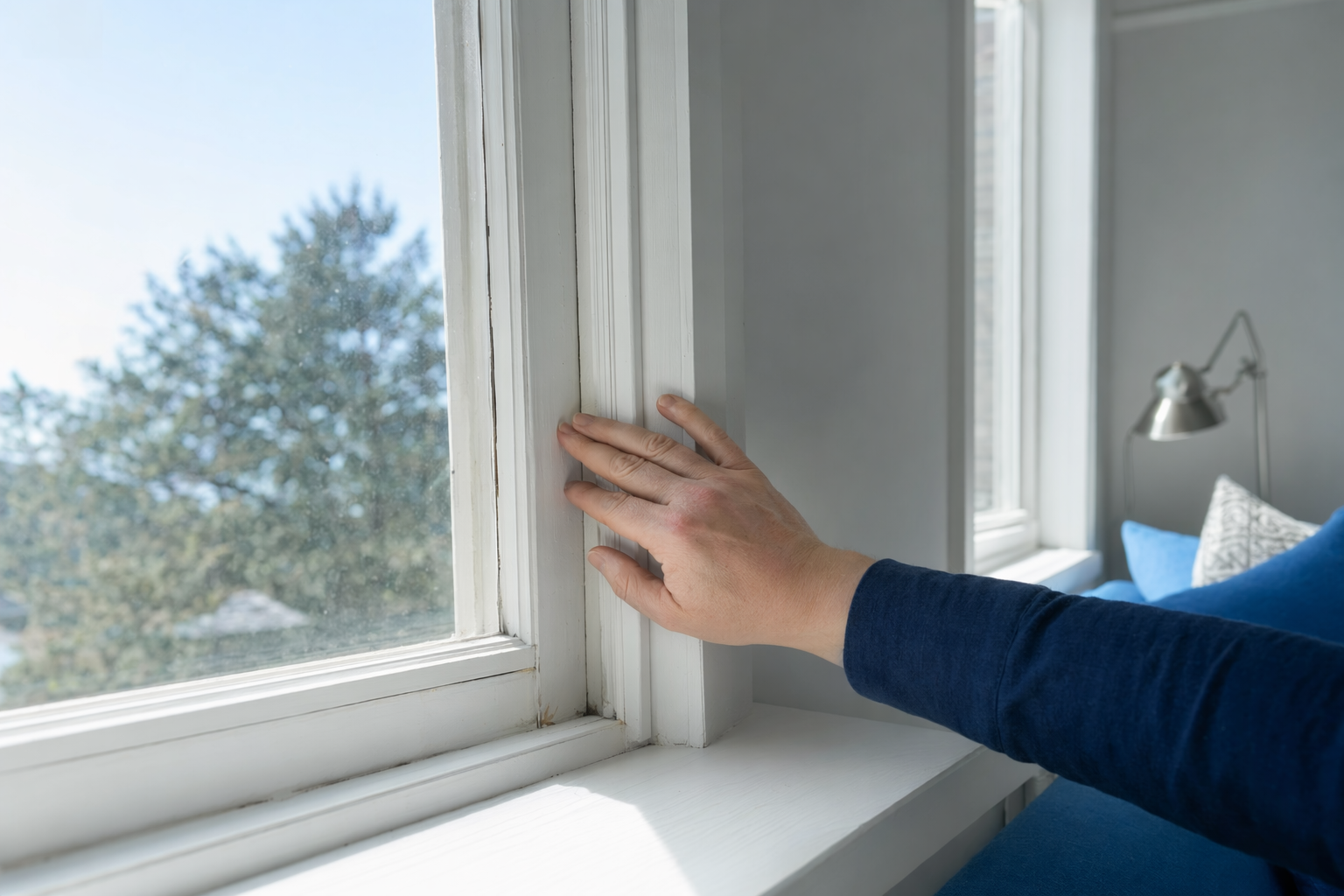
What energy-efficient windows really do
Energy-efficient windows are replacement windows built to reduce heat loss in winter and heat gain in summer. In plain English, they help keep indoor air more stable so your rooms feel less hot by the glass in summer and less cold by the glass in winter.
A good energy-efficient setup usually combines a few things:
- Low-E coating on the glass to reflect heat
- Double-pane or triple-pane glass with sealed air space between panes
- Argon gas or another gas fill in some units to improve insulation
- Better spacers, weatherstripping, and tighter frames to reduce air leaks
- A frame material like vinyl, fiberglass, or wood that fits your budget and climate
The labels matter. Two terms you will see are U-factor and SHGC.
- U-factor tells you how well the window resists heat flow. Lower is usually better.
- SHGC means Solar Heat Gain Coefficient. It shows how much solar heat comes through the glass. Lower can help in hot climates. A different target may make sense in colder climates.
If these terms feel confusing, read window energy ratings explained before you compare quotes. It helps you ask better questions and avoid paying extra for features you may not need.
How the process works
SashPoint is a free matching service. We help you understand the project and get connected with licensed, insured window installers in your area. You compare quotes. You choose who to hire. You control the final payment.
A typical project looks like this:
- Tell us basic project details at get matched. That means the type of windows, how many, and your contact information.
- Speak with matched installers about your goals. For example: less draft, less outside noise, lower summer heat, easier cleaning, or better looks.
- Ask each installer to measure and explain the scope in writing. That should include the glass package, frame material, U-factor, SHGC, and whether the job is insert or full-frame replacement.
- Compare the offers carefully before any deposit. The lowest number is not always the best value.
Important: SashPoint does not install windows, manufacture windows, pull permits, or give engineering, structural, energy-rating, or financial advice. The installer you hire should follow local permits and building code. Always verify the license and insurance yourself.
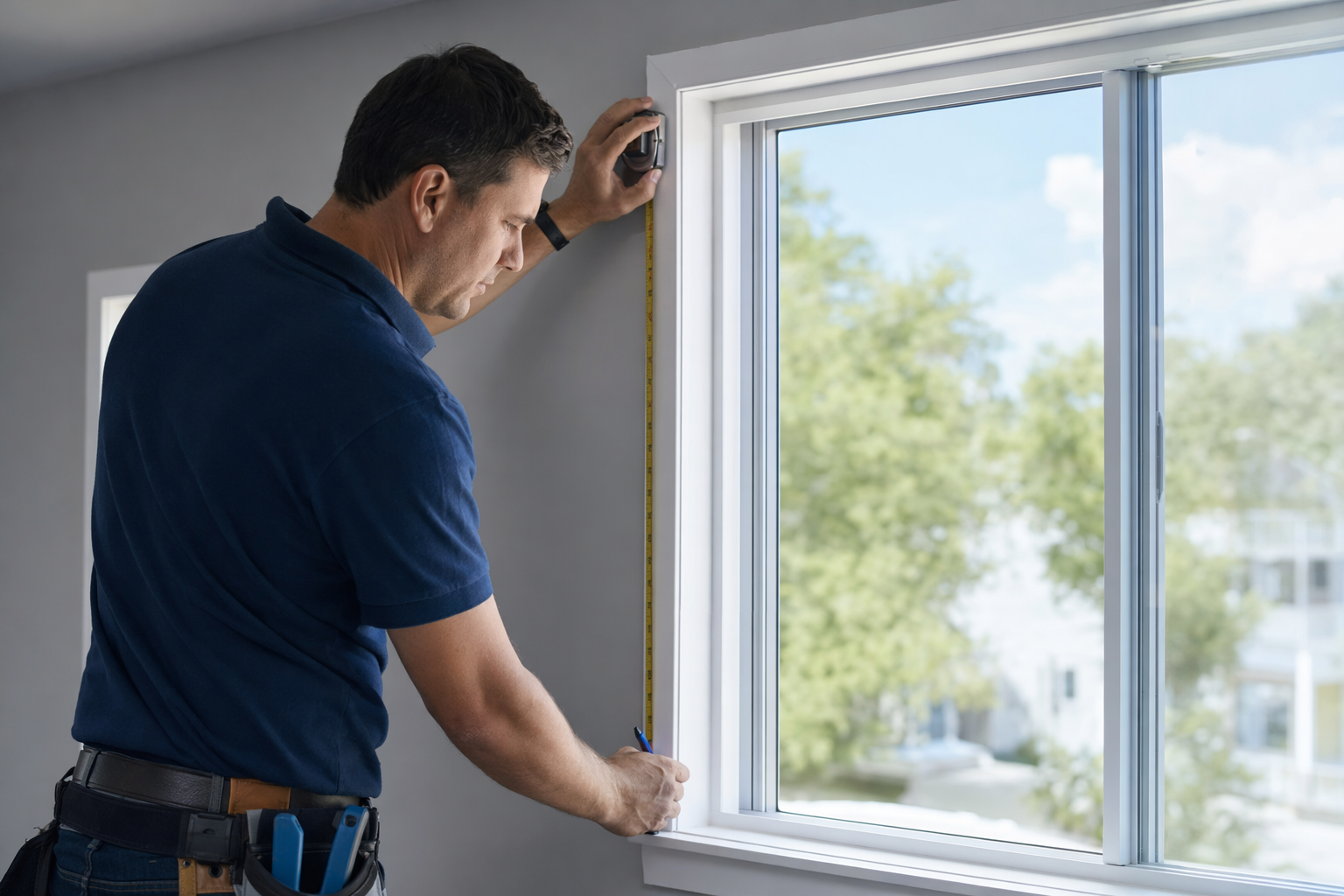
Typical cost per window
For most homeowners, installed replacement windows often run about $400 to $1,200 per standard window. More complex products cost more. A whole-house project often lands around $8,000 to $25,000+.
Energy-efficient upgrades can change the price, especially if you move from basic double-pane glass to a stronger package with better coatings, gas fill, upgraded spacers, or triple-pane glass.
Typical installed ranges:
- Standard energy-efficient replacement window: $400-$1,200 each
- Impact-resistant energy-efficient window: $700-$1,600 each
- Bay or bow window: $1,500-$4,500 each
- Full-frame replacement usually costs more than insert replacement
- Fiberglass and real wood often cost more than vinyl
What changes the real price:
- Number and size of windows
- Window style like double-hung or casement
- Glass package: Low-E type, double vs triple pane, argon fill, spacer system
- Frame material: vinyl, fiberglass, or wood
- Home age and condition, including rot or damaged trim
- Climate and local energy rates
- Area labor costs and permit requirements
These are typical estimates, not quotes or guarantees. Get the full scope in writing before you pay a deposit. If you want a broader price breakdown, see window costs.
Savings and comfort: the honest version
This is where people get oversold. Energy-efficient windows can help, but they are not magic.
What many homeowners really notice first is comfort, not a huge utility bill drop. Rooms may feel less drafty. Glass may feel less cold near seating areas in winter. Some homes get less harsh sun and glare. If your old windows are very leaky, cracked, or single-pane, the change can be more noticeable.
Typical savings are modest and vary widely. Some homes see small bill reductions. Others see more meaningful improvement, especially when old windows were in rough shape. But there is no guaranteed dollar savings, ROI, or payback period.
Real-world results depend on:
- The condition of your old windows
- The climate and amount of sun your home gets
- Your heating and cooling system
- Local energy rates
- The glass package you choose
- The quality of installation and air sealing
If your main goal is lower cooling load in a hot climate, ask about a lower SHGC. If your main goal is winter comfort, ask about a lower U-factor. The right target depends on where you live. A good installer should explain the tradeoffs clearly and put the ratings in writing.
You can also compare options in our glass package guide.
Best features for different homes
Not every home needs the most expensive package. Good value means matching the window to the house and climate.
Common options to compare
- Double-pane: Often the practical starting point for many homes
- Triple-pane: Can help in colder climates or noisy areas, but costs more and is not always worth the extra price
- Low-E glass: Very common and often a smart upgrade
- Argon gas: Common in better insulated units
- Vinyl frames: Usually lower cost and low maintenance
- Fiberglass frames: Strong, stable, often higher cost
- Wood frames: Traditional look, usually more upkeep and higher price
- Casement windows: Often seal tightly when locked; learn more about casement windows
Insert vs full-frame
- Insert replacement keeps the existing frame if it is in good condition. It can cost less.
- Full-frame replacement removes the entire old unit and can address hidden damage, but usually costs more.
A cheap window with poor installation can underperform. A mid-range window installed well can be the better buy. That is why the installer matters almost as much as the product.
Pros, cons, and what to ask before you sign
Pros
- Better indoor comfort near the glass
- Less draft and air leakage when installed correctly
- Potential for modest heating and cooling savings
- Can reduce condensation issues in some situations
- Often improves noise control compared with old single-pane units
Cons
- Higher upfront cost than basic replacement windows
- Savings may be smaller than ads imply
- Triple-pane and premium packages may not make sense for every home
- Bad installation can waste the value of a good product
Before you sign, ask these questions:
- What are the U-factor and SHGC for this exact window and glass package?
- Is this insert or full-frame replacement?
- What frame material is included, and what are the options?
- Is the quote for double-pane or triple-pane, and does it include Low-E and argon gas?
- What exterior and interior trim work is included?
- Who handles permits if they are required locally?
- What warranty applies to the product and to labor?
- What deposit is required, and what triggers final payment?
Get all of that in writing before any deposit. Keep copies of the proposal, warranty, and final scope.
How to vet an installer and protect yourself
A strong window project is not just about the window. It is also about the crew measuring, ordering, and installing it correctly.
Use this checklist:
- Hire licensed and insured installers where required
- Verify the license and insurance yourself
- Confirm the business name on the quote matches the insurance and license records
- Ask for the exact product line and full glass package in writing
- Make sure the written scope lists frame, glass package, U-factor, SHGC, and install method
- Ask how they handle rot, damaged framing, or unexpected repairs
- Follow local permits and building code
- Do not hand over final payment until the work is complete and you have inspected it
If you want a deeper checklist, read how to vet a window installer.
SashPoint keeps the process simple. Matching is free to homeowners. Participating installers pay a flat fee to be included. You still do the smart part: compare quotes, ask questions, and choose the installer that gives you the best written scope and the clearest answers.
Energy-efficient windows can make your home feel less drafty and more comfortable, but the price and savings vary a lot. Compare licensed, insured installers, get the glass package and ratings in writing, and do not pay a deposit until you understand exactly what is included.