Where your window budget actually goes
Most people focus on the price per window. That matters, but it is only part of the bill. Your total cost usually comes from a mix of window type, glass package, frame material, labor, and how much repair work the installer finds when the old units come out.
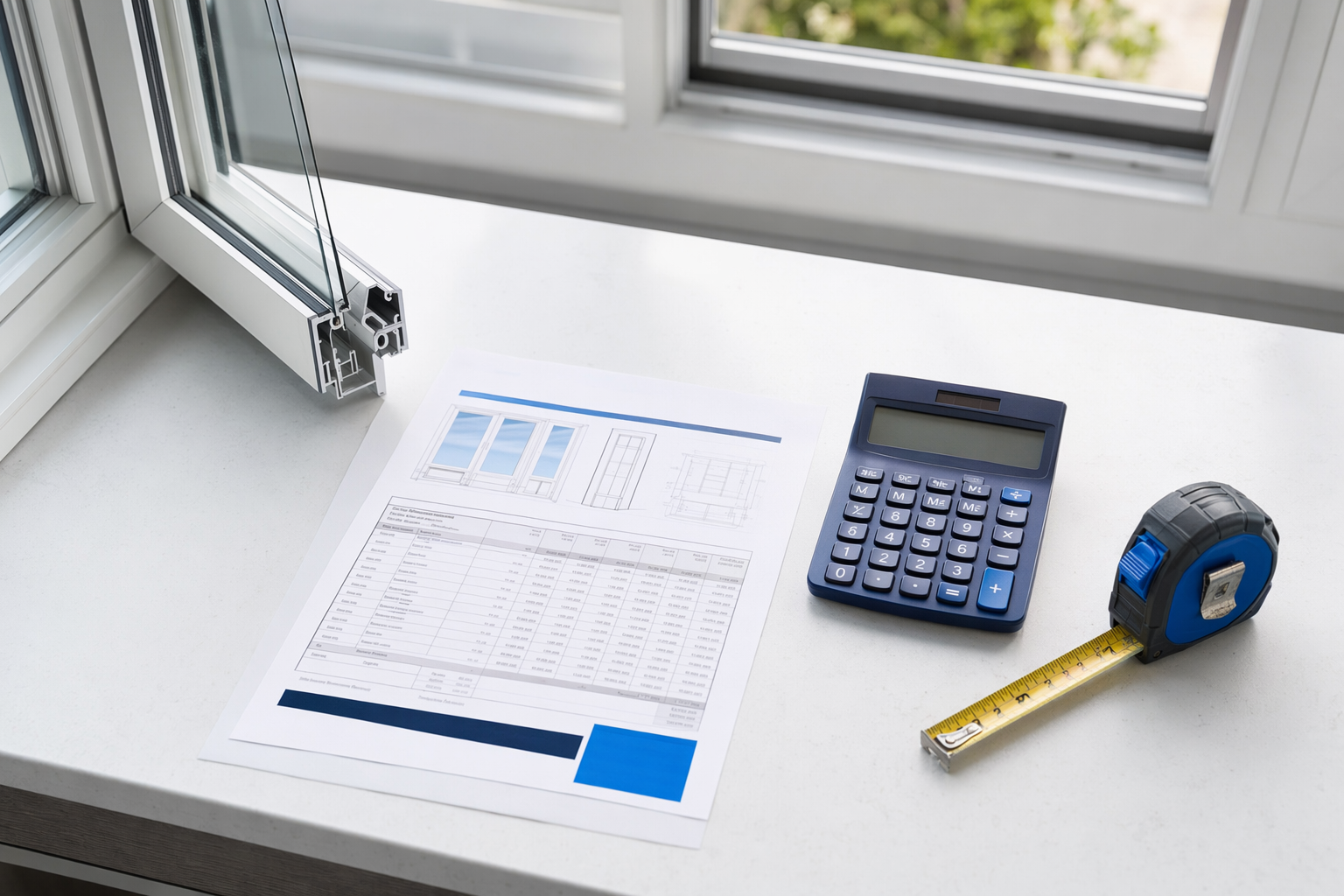
The short answer: the window itself is only one part of the cost
A typical installed replacement window often lands around $400-$1,200 per standard window for many common styles. Bigger or more complex units can cost more. Bay and bow windows often run about $1,500-$4,500 installed. Impact windows often fall around $700-$1,600 each installed. A whole-house project commonly ends up around $8,000-$25,000+.
Those are typical ranges, not quotes. Real pricing depends on:
- how many windows you replace
- the size of each opening
- the window style
- the glass package
- the frame material
- full-frame vs insert replacement
- the age and condition of the home
- the area you live in
- local labor rates, permits, and code requirements
That is why two homes with the same number of windows can have very different totals. If you want a broader overview before you compare bids, start with window replacement costs.
What your budget is really paying for
Here is where the money usually goes.
1. The window unit
The sash, frame, hardware, screens, locks, and the factory-built glass unit all cost money. A basic double-hung vinyl window is usually less expensive than a large casement, picture, or specialty shape. If you are shopping common styles, see double-hung windows or casement windows.
2. The glass package
This changes price fast. Double-pane is common. Triple-pane may cost more and may or may not make sense in your climate. Low-E coating, argon gas, tempered glass, laminated glass, grids, sound-control upgrades, and impact resistance all add cost. Ask for the exact glass package in writing, including U-factor and SHGC.
3. Frame material
Vinyl is often the lower-cost option. Fiberglass usually costs more but can be strong and stable. Wood can cost more still and may need more maintenance. Material affects price, look, maintenance, and performance. For a side-by-side explanation, read the frame material guide.
4. Labor and installation difficulty
A simple swap in a newer opening is different from working in an older home with out-of-square frames, water damage, trim issues, or hard-to-reach second-story windows. Labor is often a major part of the bill.
5. Full-frame vs insert replacement
Insert replacement uses the existing frame if it is still in good shape. Full-frame replacement removes more of the old assembly and can uncover hidden problems. Full-frame often costs more, but sometimes it is the right fix.
6. Exterior and interior finish work
Trim, caulk, flashing, sill work, paint touch-up, and disposal are easy to forget when you look only at the brochure price.
7. Permits, code, and compliance
Some jobs need permits or must meet local code requirements. That can affect labor, paperwork, and inspection timing. Follow local permit and building code rules.

Upgrades that raise the price, and when they may be worth it
Not every upgrade is a waste. Not every upgrade pays back, either.
Energy features can help with drafts and comfort, but savings are usually modest and vary widely. They depend on your old windows, your climate, your thermostat habits, local energy rates, and the rest of the house. Do not let anyone promise a certain payback period or guaranteed dollar savings.
Features that often add cost:
- Low-E coating to help control heat transfer
- Argon gas between panes
- Triple-pane glass in some climates or noise situations
- Lower U-factor for colder climates
- Lower or climate-appropriate SHGC depending on sun exposure and region
- Impact glass in storm-prone areas
- Tempered glass where code requires it
- Better locks, hardware, screens, or tilt features
Good questions to ask:
- Is this upgrade needed for my climate, or just a sales add-on?
- What are the U-factor and SHGC numbers?
- Is this product ENERGY STAR certified for my region?
- Will this change the frame size or visible glass area?
If you want the basics explained in normal language, read window energy ratings explained and energy-efficient windows.
What to do before you sign anything
A smart window budget starts with clear comparisons. Use this checklist.
1. Get multiple written bids
Compare the same scope. Make sure each bid lists the window style, frame material, glass package, and whether the job is insert or full-frame.
2. Verify license and insurance yourself
Hire licensed and insured installers. Do not just take a salesperson's word for it. Check the license and insurance directly.
3. Make the glass package specific
The written scope should include things like double vs triple pane, Low-E, argon, U-factor, SHGC, and any tempered or impact glass.
4. Ask what happens if rot or damage is found
Hidden damage is one of the biggest reasons a project total goes up after work starts. Ask how change orders are priced and approved.
5. Confirm finish work and cleanup
Does the price include interior trim, exterior capping or flashing, caulking, disposal, and haul-away?
6. Hold final payment until the work is complete
You compare quotes. You choose who to hire. You hold the final payment until the work matches the written scope.
If you want help connecting with companies to compare, get matched. Matching is free to homeowners. Participating installers pay a flat fee to be included.
Common budget mistakes that cost people later
The cheapest number on the page is not always the cheapest job.
Here are mistakes homeowners make all the time:
- Comparing bids that are not equal
One company may price insert replacements. Another may price full-frame. One may include Low-E and argon. Another may not. The totals are not comparable until the scope matches.
- Ignoring the opening condition
Old homes can hide rot, water damage, or uneven framing. A low starting price can grow fast once the old window comes out.
- Buying features they do not need
Triple-pane or premium packages may make sense in some homes, but not all. Ask for the reason, not just the upgrade.
- Focusing only on the product, not the installer
Even a good window can perform badly if installed poorly. Air leaks, water problems, and warranty arguments often start here.
- Not getting details in writing before a deposit
The written agreement should spell out the scope, materials, glass package, estimated timeline, and who handles permit-related requirements.
- Assuming savings will pay for everything
New windows can improve comfort and reduce drafts. They may lower heating and cooling use. But savings are usually not dramatic enough to justify a bad deal.
To screen companies more carefully, use the installer vetting guide.
A simple next step that keeps your budget under control
If your windows are drafty, hard to open, fogged between panes, or showing rot, start with a short list of needs.
- Which rooms are the worst?
- Do you need standard replacements, larger openings, or impact glass?
- Is comfort the main goal, or are you also dealing with noise or water issues?
- Do you want vinyl, fiberglass, or wood?
Then compare 2-4 written bids from licensed and insured installers. Verify their credentials yourself. Make sure the scope is the same. Make sure permit and code requirements are followed. Keep every promise in writing before you pay a deposit.
The real trick is simple: do not ask, "What is your cheapest window?" Ask, "What exactly am I getting for this price, and what is not included?" That is where your budget actually goes.
Window cost is not just the glass. Your budget usually goes to the window unit, the glass package, the frame material, labor, and any repair or finish work around the opening. Get multiple written bids from licensed and insured installers, verify their credentials yourself, and compare the same scope before you choose.