Impact Windows vs Storm Shutters
Both can help protect a home in severe weather, but they solve the problem in different ways. The best choice depends on your budget, your windows, your location, and what your local code and insurer require.
The short answer
If you want always-on protection and you already need new windows, impact windows are often the cleaner long-term upgrade. If your current windows are still in decent shape and you want a lower upfront cost, storm shutters can make more sense.
But this is not just about price. You also need to think about:
- whether your current windows are old, drafty, or hard to open
- whether you want protection even when you are away from home
- how much work you want before a storm
- what your local building code requires
- whether your insurance company has specific rules for discounts or documentation
In plain terms:
- Impact windows are replacement windows with laminated impact-resistant glass and stronger framing details.
- Storm shutters are protective coverings installed over existing windows or doors.
One important truth: impact windows do not make a home hurricane-proof, and shutters do not fix bad old windows. Real protection depends on the whole opening, the installation, the product approval for your area, and following local code. That is why you should compare the product details in writing and hire licensed and insured installers you verify yourself.
If you are pricing a full replacement project, see window replacement costs first so you know the normal range before you talk to anyone.
How they differ in real life
Impact windows and storm shutters can both help during wind events and flying debris, but they feel very different to live with.
Impact windows
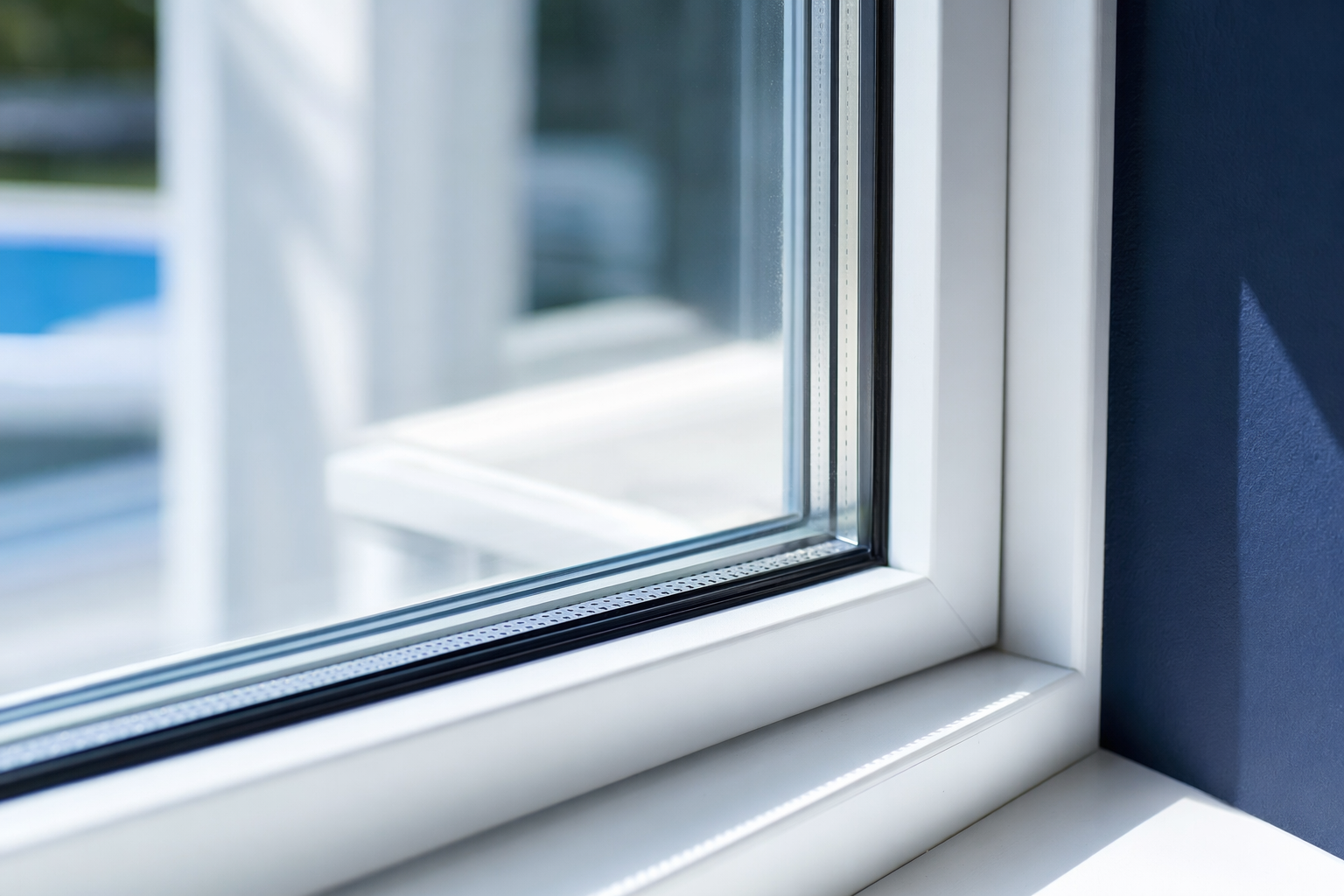
Impact windows look and work like normal replacement windows, but the glass package is built differently. Most use laminated glass, often with Low-E coatings and insulated panes, and the frame and hardware are designed to meet specific testing standards.
What homeowners usually like:
- protection is there all the time
- no need to climb ladders before a storm
- can also help with outside noise
- may reduce drafts if you are replacing old loose windows
- can improve comfort when paired with the right glass package
What to watch:
- higher upfront cost
- you are replacing the whole window, so installation quality matters a lot
- not every impact window has the same U-factor, SHGC, air leakage, or frame quality
- some homes may need full-frame replacement, not just insert windows
Storm shutters
Storm shutters cover the window opening from the outside or sometimes inside, depending on the system. Common types include accordion, roll-down, colonial, Bahama, and removable panels.
What homeowners usually like:
- lower cost than replacing every window with impact units
- can protect existing windows if those windows are still serviceable
- some systems work well for large openings
What to watch:
- you may need to deploy them before a storm
- some types are heavy or awkward to store
- removable panels take planning and labor
- they do not improve the window's day-to-day energy performance the way a true replacement window might
- appearance and ease of use vary a lot
If energy and comfort are part of your goal, read energy-efficient windows and window energy ratings explained so you can separate storm protection from energy claims.

Typical cost ranges homeowners actually see
Here is the honest version: prices vary a lot by area, opening size, glass package, frame material, home height, access, code requirements, and labor conditions. These are typical ranges and estimates, not quotes.
Impact windows
For many standard-size replacement windows, installed cost often lands around $700-$1,600 per window for impact-rated units. Large custom shapes and premium frame options can run higher. If you are doing a whole house, the total can rise quickly because every opening, flashing detail, and installation step matters.
For comparison, many standard non-impact replacement windows in common styles often run about $400-$1,200 installed per window. Impact glass usually pushes that number up.
Storm shutters
Storm shutters are usually priced by opening, size, material, and shutter type. In many markets, shutters cost less upfront than replacing all windows with impact units, especially if your existing windows do not need replacement yet. But the range is wide enough that you should get written scope from more than one licensed and insured company.
Ask each company to spell out:
- exact product type and approval details for your area
- whether fasteners, tracks, hardware, and finish are included
- who handles permits if permits are required
- cleanup and haul-away
- warranty terms for product and labor
For impact windows, also get the following in writing before any deposit:
- glass package
- frame material
- U-factor and SHGC
- whether it is an insert or full-frame replacement
- any interior or exterior trim work included
That written scope matters. It is one of the main ways homeowners avoid surprise charges later.
Which option fits your home best?
Use this simple test.
Impact windows may be the better fit if:
- your existing windows are old, drafty, rotten, fogged, or hard to lock
- you were already planning to replace windows soon
- you want protection even when no one is home
- you want one project instead of managing shutters before every storm
- you care about comfort, outside noise, and updated operation
Storm shutters may be the better fit if:
- your current windows are still in solid condition
- your main goal is storm protection at a lower upfront cost
- you are comfortable closing or installing them before a storm
- your budget does not support full replacement right now
Mixed approach
Some homeowners choose a mix. For example, they may replace the worst windows now and use shutters on the rest. That can be a practical plan if you prioritize bedrooms, large front windows, or openings with known leaks first.
Also think about style and function. If you are replacing windows, the operating type matters day to day:
- Double-hung windows are familiar and common.
- Casement windows can seal tightly and are easy for some homeowners to operate.
Frame material matters too. Vinyl is common and budget-friendly. Fiberglass is strong and stable. Wood can look beautiful but usually needs more upkeep. See the frame material guide if you want a simple breakdown.
What to do next so you do not get burned
Do not buy based on fear and do not buy based on one fast sales pitch. Take these steps.
- Check your local requirements. Ask your building department what is required for your address and wind zone. Rules can differ by county, city, and even opening type.
- Make a list of your actual needs. Is this mainly about storm protection, or do you also need better comfort, lower drafts, easier operation, and less noise?
- Get at least 2-3 written quotes. Compare the full scope, not just the bottom-line number.
- Verify license and insurance yourself. Do not just take a logo on a truck or a promise over the phone.
- Read the glass package. Ask about laminated glass, Low-E coating, argon gas, double vs triple pane where relevant, and the posted U-factor and SHGC. Our glass package guide can help you read the terms.
- Do not pay the full amount upfront. Keep control of the final payment until the work is completed as agreed.
SashPoint is free for homeowners. We help you get matched with licensed and insured window installers so you can compare options, ask better questions, and choose who to hire. If you want to start pricing your project, go to get matched.
One last reminder: no installer should promise a guaranteed dollar amount in energy savings or a guaranteed payback period. Better windows can reduce drafts and heat loss, but real savings depend on the number and size of windows, the style and glass package, your home's age and condition, your climate, local energy rates, and how the windows are installed.
If your windows are old and you want storm protection all the time, impact windows may be worth the higher cost. If your windows are still okay and you want a lower upfront price, storm shutters may be enough. Get 2-3 written quotes, verify license and insurance yourself, and compare the exact product details before you pay a deposit.