Windows: What Renters and Owners Can and Cannot Replace
If a window is broken, drafty, or hard to open, the first question is simple: **who is allowed to replace it?** The answer depends on whether you rent, own a house, or own a condo, and on what your lease, HOA, or building rules say.

Start here: who controls the window?
A window is not just glass. It can include the sash, frame, trim, screens, locks, and sometimes the exterior finish around it. That matters, because different parts may belong to different people.
If you rent, the landlord or property manager usually controls permanent window work. In most cases, renters cannot replace the full window unit on their own. Even if you are willing to pay, you still usually need written approval first.
If you own a single-family home, you usually have the most control. But you may still need to follow HOA rules, historic-district rules, local permit rules, and product requirements for your climate.
If you own a condo or co-op, the answer is often in the governing documents. In many buildings, the association controls the exterior appearance, which may include the window frame, color, grid pattern, or even the full unit.
Before you spend money, check three things:
- Lease, HOA, or condo documents
- Written approval requirements
- Local permit and code rules
And no matter who is responsible, hire licensed and insured installers and verify the license and insurance yourself. Get the full scope in writing before any deposit, including the frame material, glass package, and listed performance details such as U-factor and SHGC. If those terms are new, see window energy ratings explained.
If you rent: what you can usually do, and what you usually cannot
Renters often have more options for comfort than for true replacement.
Usually allowed with little or no approval:
- Temporary weatherstripping
- Removable draft blockers
- Curtains or blinds
- Temporary interior window film, if your lease allows it
- Asking maintenance to adjust locks, latches, or balances
Usually not allowed without written approval:
- Replacing the full window unit
- Replacing glass in a way that changes the window permanently
- Changing frame color or style
- Drilling into frames or exterior trim
- Installing impact or specialty windows
If the issue is safety or habitability, report it in writing. Examples:
- Broken glass
- A window that will not lock
- Rotting frame
- Severe leaks
- A painted-shut bedroom egress window
Keep your message simple. Note the room, the problem, and when it started. Add photos.
If your landlord approves replacement, ask who chooses the installer and who owns the finished work. Get that in writing. If you pay for an upgrade yourself, make sure you know whether you will be reimbursed and whether the window stays with the property when you move out.
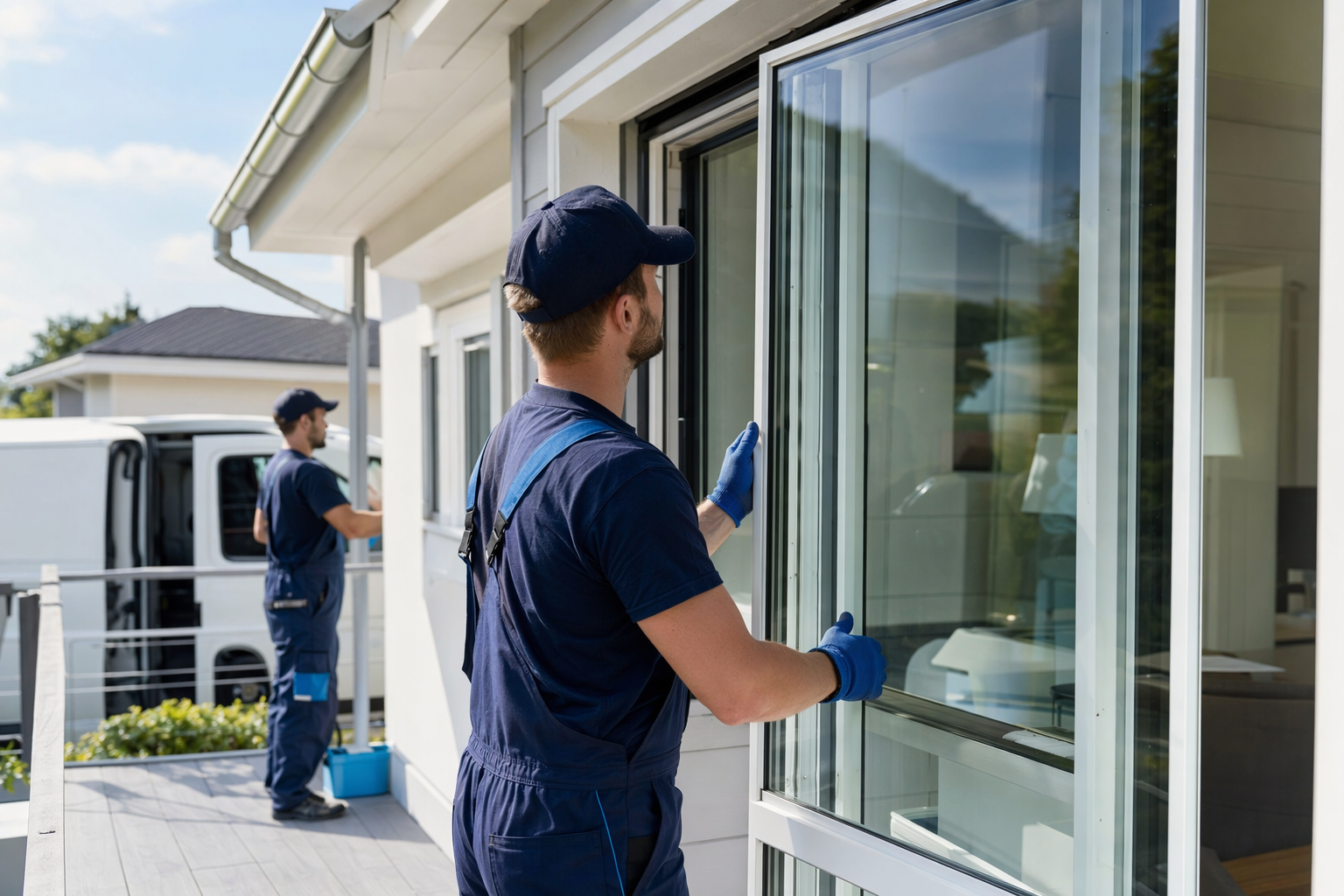
If you own: what you can replace and what can change the price
Homeowners can usually replace old windows, but the real question is what kind of replacement makes sense.
The two common paths are:
- Insert replacement: the new window fits into the existing frame. This can cost less if the old frame is sound.
- Full-frame replacement: the old frame is removed too. This is often needed if there is rot, water damage, poor insulation, or size changes.
That choice can move the installed price a lot. For many standard residential windows, a typical installed range is about $400-$1,200 per window. Impact-resistant windows often run about $700-$1,600 each. Bay and bow windows are often $1,500-$4,500 or more. A whole-house project often lands around $8,000-$25,000+. These are estimates, not quotes. The real price depends on:
- Number and size of windows
- Window style
- Glass package
- Frame material
- Full-frame vs insert work
- Home age and condition
- Climate and local labor costs
- Permit needs in your area
Material and glass choices matter too. Vinyl is often the budget-friendly pick. Fiberglass can be a strong middle-to-upper option. Wood can look great but often costs more and needs more upkeep. You can compare them in our frame material guide.
For glass, ask about double-pane vs triple-pane, Low-E coating, argon gas, and whether the package is suited to your climate. More expensive glass does not always mean better value for your home. See our glass package guide before you sign anything.
Energy, comfort, and common sales claims to watch
New windows can absolutely improve comfort. They can reduce drafts, outside noise, and heat loss. But be careful with big promises.
Honest truth: energy savings from replacement windows are usually modest and variable, not magic. The real result depends on your old windows, your climate, your thermostat habits, your home air sealing, your utility rates, and the glass package you choose.
A few smart rules:
- Ask for the ENERGY STAR label when relevant for your region.
- Compare the U-factor and SHGC on each quote, not just the brand story.
- If one quote says triple-pane is necessary, ask why for your climate and your home.
- Do not assume the highest-priced option will pay for itself quickly.
- Get every promised feature in writing before any deposit.
Good windows can help with comfort and may lower heating and cooling use, but no installer can honestly guarantee a specific dollar savings or payback period for every home. If comfort is your main goal, say that clearly when you get matched. If the room is too hot in summer sun, SHGC may matter a lot. If winter drafts are the problem, U-factor and air leakage details may matter more.
If you are comparing styles, some homeowners like double-hung windows for familiar operation, while others choose casement styles for tighter closure and easier airflow control.
How free matching helps you stay in control
SashPoint does not install windows. We are a free matching service that helps homeowners understand the project and connect with local window installers.
That matters because the hard part is often not finding a window. It is finding a contractor who explains the options clearly, measures correctly, and puts the full scope in writing.
Here is how to use matching well:
- Describe the project clearly. Say if you own, rent, or are in a condo. Note broken glass, drafts, stuck sashes, rot, noise, or HOA limits.
- Ask for itemized written quotes. Each quote should list style, frame, glass package, U-factor/SHGC where available, and whether the job is insert or full-frame.
- Verify license and insurance yourself. Do not skip this step.
- Ask about permits and code. Follow local rules.
- Compare scope before price. A lower number may mean a different glass package or less repair work.
- Hold final payment until the job is complete and you have checked operation, locking, screens, trim, and cleanup.
The matching service is free to homeowners. Participating installers pay a flat fee to be included. You compare quotes, you choose who to hire, and you control the final decision.
If you are ready to start, you can get matched and compare local options without paying for the introduction.
Next step: the safest path before anyone removes a window
If you remember only one thing, remember this: do not order replacement windows until you know who has authority to approve the work.
For renters, that usually means the landlord or property manager. For homeowners, that may also mean the HOA, condo board, or local building office.
Use this quick checklist:
- Confirm who owns the window and who can approve replacement
- Take photos of the problem
- Decide whether you need repair, insert replacement, or full-frame replacement
- Learn the basics of energy-efficient windows so sales terms do not confuse you
- Get written quotes from licensed and insured installers
- Verify license, insurance, permits, and product details yourself
A careful first step can save you from the biggest problems: buying the wrong product, violating building rules, or paying for work that was never approved.
First, find out who is allowed to approve the work: landlord, homeowner, condo board, or HOA. Then get written quotes from licensed and insured installers, verify the details yourself, and compare the full scope before you choose.