Storm & impact windows
Storm and impact windows are built for different jobs, and many homeowners mix the terms. This page helps you understand the difference, typical installed cost ranges, and how to compare licensed, insured installers without getting pushed into the wrong product.
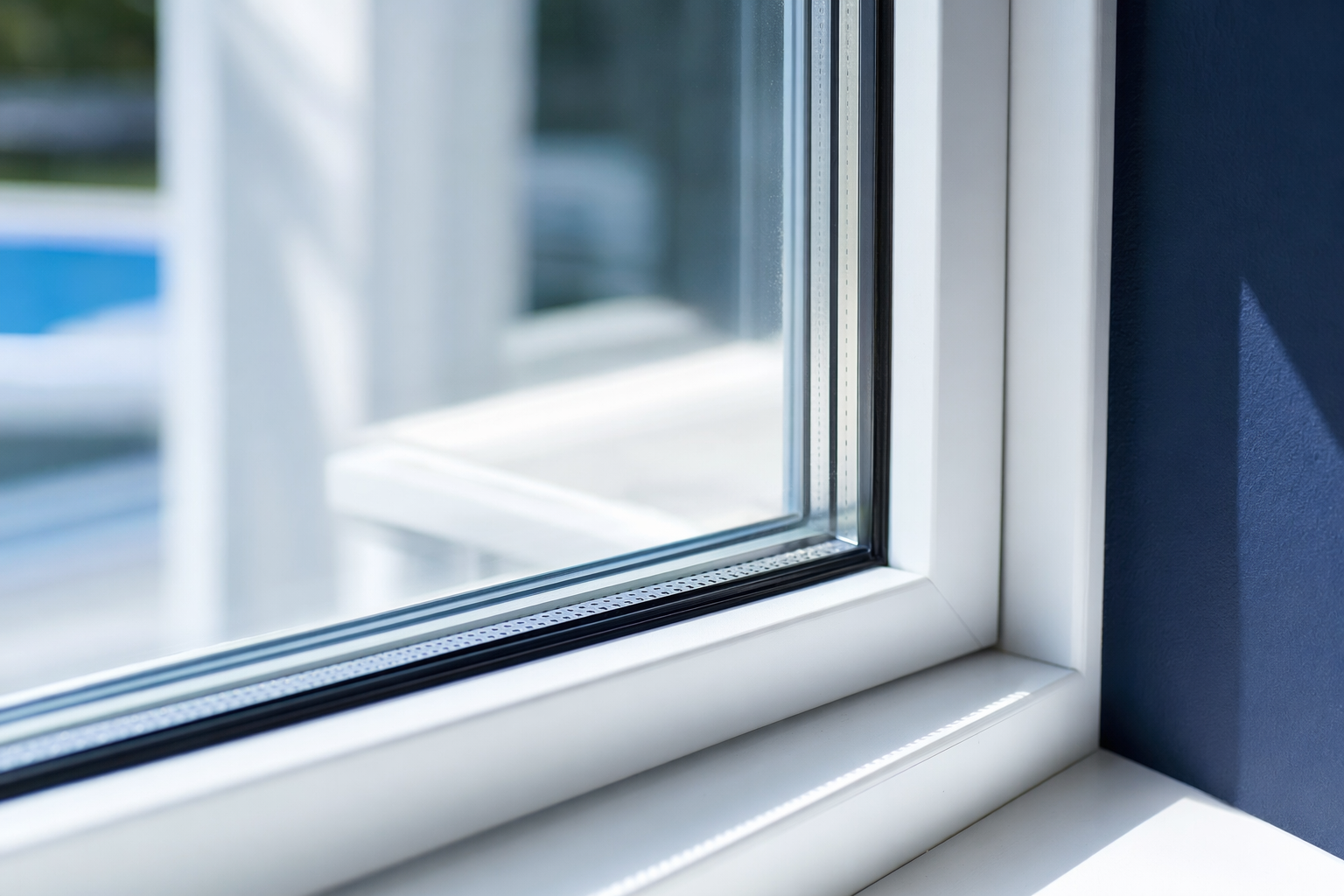
What storm windows and impact windows actually are
Storm windows are extra windows added to the inside or outside of your existing windows. Their main job is to reduce drafts, improve comfort, and add a layer of weather protection. They can make sense when your current windows are older but still usable, or when you want to improve performance without doing a full replacement.
Impact windows are replacement windows made with stronger frames and laminated glass designed to resist windborne debris and hard impacts better than standard windows. They are common in coastal and storm-prone areas, but they are not only for beachfront homes. In some areas, local code, insurance rules, or storm risk may push homeowners toward impact-rated products.
These are not the same product. A storm window is an added layer. An impact window is a full replacement unit with a specific performance rating.
If you are comparing full replacements, it helps to understand the window style too. A double-hung, casement, or fixed unit can change price, ventilation, and air leakage. See double-hung windows or casement windows if you want to compare style differences before talking with an installer.
SashPoint is a free matching service. We help you connect with licensed, insured installers so you can compare options and decide what to buy.
How the process works
- Tell us about the project. Share basic project and contact details, such as how many windows you are thinking about, your ZIP code, and whether you want storm windows, impact windows, or you are not sure yet.
- Get matched with licensed, insured installers. Matching is free to homeowners. Participating installers pay a flat fee to be included.
- Ask each installer to inspect and explain the scope. You want to know whether they recommend storm windows, insert replacements, or full-frame impact replacements.
- Compare written details, not just the top-line price. The written scope should include the frame material, glass package, warranty terms, and key ratings like U-factor and SHGC.
- Choose who to hire. You compare quotes, you choose the installer, and you hold final payment until the job is done as agreed.
A good installer should explain the tradeoffs in plain language. If they skip over ratings, code requirements, or permit questions, slow down. If you need help understanding the labels and numbers, read window energy ratings explained.
Typical installed cost ranges
Real cost depends on the number and size of windows, the window style and glass package, the home's age and condition, the climate and local energy rates, and the area. These numbers are typical estimates, not quotes or guarantees.
For many standard replacement windows, installed cost often falls around $400-$1,200 per window. For impact windows, a common installed range is about $700-$1,600 per standard-size window, with larger sizes, custom shapes, stronger frame upgrades, and more complex installs costing more.
Storm windows are often less expensive than a full replacement, but price still depends on size, custom fitting, interior vs exterior mounting, and the condition of the existing window opening.
A few honest rules of thumb:
- Whole-house projects often land around $8,000-$25,000+ depending on count, size, product level, and install complexity.
- Full-frame replacement usually costs more than an insert replacement because there is more labor and more materials.
- Coastal or code-driven work may cost more when special ratings, hardware, or permit requirements apply.
- Wood repair, trim repair, rot, or out-of-square openings can push the price up fast.
Ask every installer to break the quote into clear parts:
- window unit
- glass package
- frame material
- labor
- exterior/interior trim work
- disposal
- permit responsibility, if required locally
For broader budget planning, see window costs. Get the full price and scope in writing before any deposit.
Energy, comfort, and noise: what changes and what does not
Many homeowners ask about storm or impact windows because they are tired of drafts, hot rooms, cold glass, outside noise, or rising utility bills. That is reasonable. But it helps to stay realistic.
Energy-efficient windows can reduce drafts and heat loss, but typical savings are modest and vary widely. Actual savings depend on your existing windows, the new product specs, your climate, local energy rates, how much sun the house gets, and how airtight the installation is. No honest person should promise a specific payback period or guaranteed dollar savings.
What matters most:
- U-factor: lower usually means better insulation.
- SHGC: shows how much solar heat comes through the glass.
- Low-E coating: helps control heat transfer.
- Double vs triple pane: triple can help in some climates, but it costs more and is not always necessary.
- Argon gas: common in better insulated glass units.
- Air sealing and installation quality: even a good window can disappoint if installed poorly.
Impact windows may also improve comfort because laminated glass and tighter construction can help with air leakage and outside noise. Storm windows can help too, especially when the old primary window is drafty but still functional.
If your main goal is lower drafts and better comfort, compare products on the full glass package, not just the sales pitch. Our energy-efficient windows page explains what usually matters most in real homes.
Pros and cons to weigh before you buy
Storm windows: pros
- Often lower upfront cost than full replacement
- Can improve comfort in older homes
- May preserve existing windows you want to keep
- Can be a practical step if full replacement is not in the budget right now
Storm windows: cons
- They do not fully replace an old failing window
- Appearance and operation may not be as clean as a new replacement unit
- Moisture and maintenance can still be issues if the old window has problems
- They may not satisfy code or insurance needs where impact-rated products are required
Impact windows: pros
- Stronger glass and frame system for storm-prone areas
- Can improve comfort, air tightness, and noise control
- May reduce the need for separate storm shutters in some cases, depending on local requirements
- Good fit when you already need full replacement
Impact windows: cons
- Higher upfront cost than standard replacement windows in many cases
- Heavier units can mean more complex installation
- Not every home needs them outside high-risk or code-driven areas
- Performance depends on the full tested unit, not just the word "impact"
The best choice depends on your goal. If you mainly want comfort on a modest budget, storm windows may be worth discussing. If you need stronger storm protection or you already need full replacement, impact windows may make more sense.
What to ask before you sign
Use this checklist in every estimate appointment:
- Is this a storm window or a full impact-rated replacement window? Ask them to explain the difference for your home.
- Is the quote for insert replacement or full-frame replacement? Full-frame can solve hidden damage, but it usually costs more.
- What exactly is the glass package? Ask for Low-E, pane count, gas fill, and the written U-factor and SHGC.
- What frame material is included? Vinyl, fiberglass, and wood each have tradeoffs in cost, maintenance, and look. Compare with this frame material guide.
- Who handles permits if local rules require them? Follow local permits and building code.
- Are you licensed and insured for this work here? Then verify the license and insurance yourself.
- What damage is excluded? Ask what happens if they open the area and find rot, trim damage, or framing issues.
- What is the deposit and payment schedule? Keep the final payment until the work is completed as agreed.
If the installer gets vague, pushes you to sign today, or will not write down the glass package and ratings, that is a warning sign.
How to vet an installer and avoid getting burned
A good product can still perform badly if the installer cuts corners. This is where many homeowners lose money.
Look for these basics:
- Active license and insurance for your area, and verify both yourself
- Experience with the product type you are buying, especially if you need impact-rated units
- A written scope that lists model line, glass package, frame, ratings, labor, cleanup, and warranty terms
- Clear answers on timing, lead time, service calls, and who handles permit questions
- No pressure to sign before you have time to compare
A few practical tips:
1. Get at least two or three written quotes when possible.
2. Make sure the quotes are truly comparable. Same style, same frame, same glass package, same install method.
3. Ask who will actually do the installation: employees, subs, or a mix.
4. Read the warranty carefully. Product warranty and labor warranty are not the same thing.
5. Keep copies of all paperwork, including the final signed scope.
If you want a step-by-step checklist, use how to vet a window installer. When you are ready, you can get matched with licensed, insured installers at no cost to you.
Storm windows add a layer to your current windows. Impact windows replace the whole unit with stronger glass and frames. Prices vary a lot, so compare written quotes from licensed, insured installers, verify the license and insurance yourself, and make sure the glass package, frame, and ratings are clearly listed before you pay a deposit.