Low-E Glass Explained
Low-E glass is a thin, nearly invisible coating on window glass that helps control heat. It can make a home feel less drafty and more comfortable, but the right option depends on your climate, the full glass package, and the installer you hire.
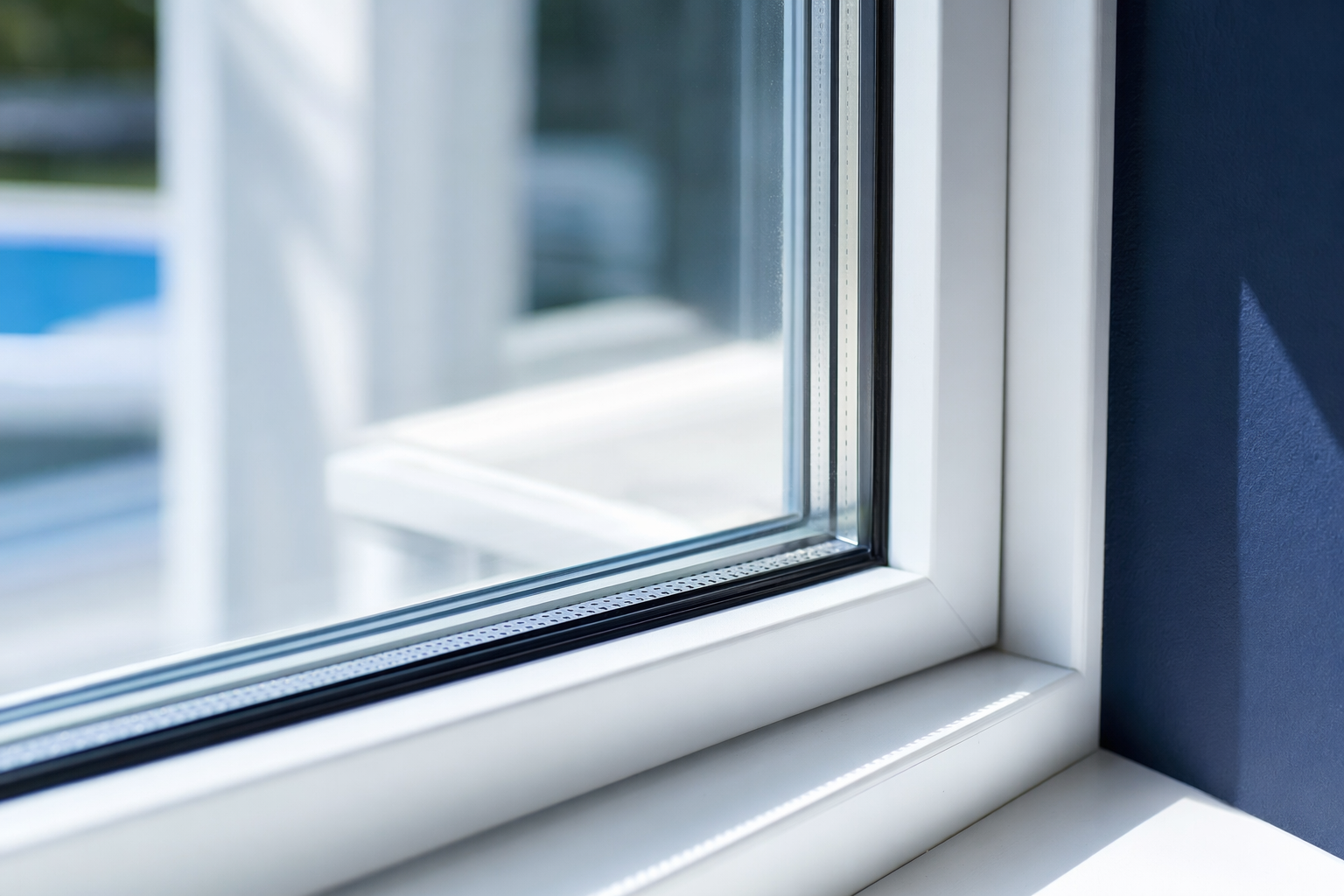
The short answer: what Low-E glass actually does
Low-E means low emissivity. In plain English, it is a very thin coating added to the glass surface to slow heat transfer.
That matters because windows lose and gain heat faster than insulated walls. A Low-E coating helps the window keep more indoor heat inside during colder weather and block some solar heat from coming in during hotter weather.
It is not magic. It does not turn a bad window into a great one by itself. The full result depends on:
- the window style
- the frame material
- whether it is double-pane or triple-pane
- whether the unit uses argon gas between panes
- the window's U-factor and SHGC ratings
- your home's age and air leaks
- your climate and local energy rates
A good way to think about it: Low-E glass is one important part of the package, not the whole package. If you want to understand how the labels work, read window energy ratings explained.
What Low-E helps with in real homes
Homeowners usually notice comfort before they notice utility-bill savings.
A quality window with an appropriate Low-E coating may help:
- reduce that cold-window feeling in winter
- cut some unwanted solar heat near sunny windows
- reduce fading risk for floors, rugs, and furniture
- improve comfort in rooms that get too hot or too cold
- support better performance when paired with a good frame and proper installation
Energy savings are real for many homes, but they are usually modest, not life-changing. Typical savings vary widely based on the number and size of windows, the old windows being replaced, the climate, local utility rates, the home's condition, and the exact glass package. Do not buy based on a promised payback period or guaranteed dollar savings.
For many homeowners, the bigger value is this: the room feels better, drafts are reduced, and the HVAC system does not have to fight the windows as hard.
Installed price also varies. For many standard replacement windows, a typical installed range is about $400-$1,200 per window, while whole-house projects often land around $8,000-$25,000+. The actual price depends on size, style, frame, glass package, labor, and local market conditions. Low-E glass is often included in many modern replacement options, but not all packages are equal. You can compare broader window costs before you start collecting estimates.

Not all Low-E glass is the same
This is where many homeowners get confused. A salesperson may say "it has Low-E" as if that answers everything. It does not.
There are different coating types and different performance targets. The best choice depends on where you live and which side of the house gets the strongest sun.
Two ratings matter most:
- U-factor: how well the window resists heat loss. Lower is generally better.
- SHGC: Solar Heat Gain Coefficient. This tells you how much solar heat the window lets in. Lower generally blocks more heat from the sun.
In a hot, sunny climate, many homeowners want a package with a lower SHGC to reduce overheating. In a colder climate, some homeowners may want to allow more beneficial winter sun on certain exposures while still keeping a low U-factor. There is no one best number for every house.
Also compare these pieces of the package:
- Double-pane vs triple-pane: Triple-pane can improve comfort and efficiency, but it costs more and is not always necessary.
- Argon gas: Common between panes. It can improve thermal performance, but it should be looked at as one part of the whole unit.
- Frame material: Vinyl, fiberglass, and wood all have pros and tradeoffs for cost, maintenance, look, and performance. See the frame material guide.
- Full-frame vs insert replacement: If the old frame is damaged or out of square, a simple insert may not solve the real problem.
If you want the technical side in a simpler format, review a glass package guide. It can help you compare apples to apples instead of just listening to sales talk.
Questions to ask before you sign anything
Use these questions when you meet installers. Short questions. Clear answers.
- What is the exact glass package for each window?
- Is it double-pane or triple-pane?
- What are the U-factor and SHGC ratings?
- Is the coating designed more for solar control, insulation, or a balance?
- Is argon gas included?
- What frame material is included: vinyl, fiberglass, or wood?
- Is this an insert replacement or full-frame job?
- What warranty applies to the glass, the frame, and the installation labor?
- Will the installer handle local permit steps if required in your area?
Before you pay a deposit, get the price and scope in writing. That means the style, size, frame, glass package, and key ratings should be listed clearly.
Always hire licensed and insured installers, and verify the license and insurance yourself. Follow local permit and building-code requirements. If you need a checklist for that step, use how to vet a window installer.
SashPoint is a free matching service. We help you connect with licensed, insured window installers so you can compare options, you choose who to hire, and you hold the final payment.
What to do next
If you are replacing windows soon, keep it simple:
- Decide what problem you are solving first: drafts, heat, noise, condensation, old frames, or all of the above.
- Ask each installer for the same scope when possible so the comparisons are fair.
- Compare the whole window, not just the words "Low-E."
- Check ratings, frame material, and whether the quote is full-frame or insert.
- Verify license and insurance yourself before signing.
If comfort and efficiency are a big priority, learn more about energy-efficient windows. If you are ready to compare local options, you can get matched with licensed, insured installers at no cost to you.
Low-E glass is a heat-controlling coating, not a magic upgrade. Compare the full window package, get U-factor and SHGC in writing, hire licensed and insured installers, verify that yourself, and choose the option that fits your climate and budget.