Full-Frame vs Insert Window Replacement
These two options can look similar on paper, but they are not the same job. The right choice depends on the condition of your existing frame, your goals, and what a licensed installer finds when they open things up.
The short answer
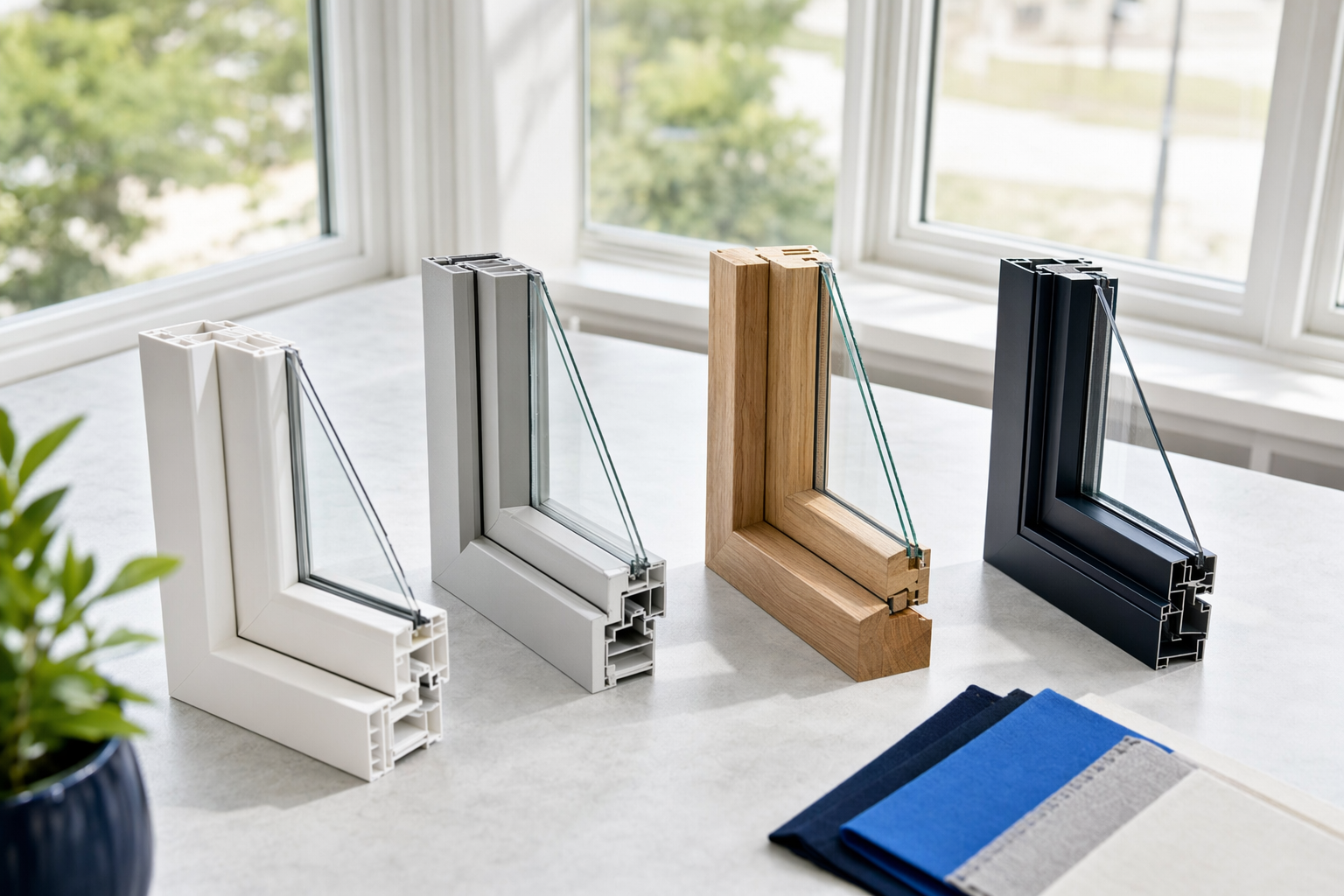
Insert replacement keeps your existing window frame in place and puts a new window unit inside it. It is usually less work, less mess, and often lower cost. It can make sense when the old frame is still square, solid, and dry.
Full-frame replacement removes the entire old window assembly down to the rough opening. That means the sash, frame, and trim around the opening may all be involved. It is a bigger job, but sometimes it is the better job, especially if there is rot, water damage, air leakage around the frame, or an old window that was installed badly.
A simple rule: if the existing frame is in very good condition, an insert may work well. If the frame or surrounding area has problems, full-frame is often the safer path.
If you are still comparing options and prices, start with window replacement costs or get a free match with licensed, insured local installers at get matched.
What an insert replacement really is
An insert is sometimes called a pocket replacement. The installer leaves the old outer frame in place and installs a new window inside that frame.
That can be a good fit when:
- The existing frame is not rotted, warped, or leaking
- The opening is still square and structurally sound
- You want to replace old sashes and improve comfort without opening up the wall more than needed
- You want a faster project with less disruption inside and outside the home
Common benefits:
- Usually lower installed cost than full-frame
- Less labor and less trim work
- Often faster to install
- Less disturbance to interior finishes and exterior cladding
Common drawbacks:
- You lose a little bit of glass area because the new unit sits inside the old frame
- It does not fix hidden damage in the old frame or around the rough opening
- If the old frame was poorly flashed or sealed, some underlying problems can stay there
- It is not ideal when you want to change the size or shape of the opening
For many standard homes, a typical installed cost for replacement windows is often around $400-$1,200 per standard window, but the real price depends on the number and size of windows, the style, the glass package, the home's age and condition, the area, and how much labor is needed. A full-frame job often costs more than an insert because it usually takes more time and materials.
The window type matters too. For example, double-hung windows are often common candidates for insert replacement when the old frames are still solid.

What makes full-frame replacement different
Full-frame replacement means the old window is removed down to the rough opening. This gives the installer a chance to inspect what is behind the trim and around the opening.
That matters because windows do not fail only at the glass. They also fail at the frame, flashing, sealant, and surrounding wood.
Full-frame is often the better option when:
1. There is wood rot, soft spots, mold, or water staining around the window
2. The old frame is out of square, drafty, or hard to operate
3. You want to change style, such as moving to casement windows for better airflow
4. You want to improve insulation around the entire opening, not just the moving parts
5. The old installation looks sloppy or patched, and you want a clean reset
Benefits of full-frame:
- Lets the installer inspect and address hidden damage
- Can improve air sealing around the whole opening
- Gives more flexibility if you are changing style or correcting an old problem
- Can deliver a cleaner long-term result when the old frame is worn out
Tradeoffs of full-frame:
- Higher labor cost in many cases
- More trim, siding, or finish work may be needed
- Installation can take longer
- There may be more disruption inside and outside the home
Typical installed prices are still only estimates, not quotes. Many standard replacement windows fall in the $400-$1,200 per window range, but a full-frame replacement can push pricing upward because the scope is larger. If damaged trim, flashing, or surrounding material also needs attention, that can add cost. Whole-house projects often land around $8,000-$25,000+, depending on count, size, style, glass package, frame material, home condition, and area.
How energy performance fits into the choice
Homeowners sometimes hear that full-frame is always more energy efficient. That is not automatically true. The better answer is this: the best-performing job is the one with the right product, the right scope, and good installation.
An insert window can perform well if the old frame is solid and the new unit has a good glass package. A full-frame job can perform better when it fixes air leaks, damaged framing, or bad old installation details that an insert would leave behind.
When you compare bids, ask what glass package is included in writing:
- U-factor: lower usually means better insulation
- SHGC: how much solar heat the window lets in
- Low-E coating: helps control heat transfer
- Double-pane vs triple-pane: triple can help in some climates, but it costs more and is not always necessary
- Argon gas: common between panes, but it is only one part of the package
- ENERGY STAR: useful baseline, but still compare the actual ratings
Frame material matters too. Vinyl is common and usually budget-friendly. Fiberglass is often stronger and more stable in temperature swings. Wood can look great but needs more upkeep. You can learn the basics in our frame material guide.
Be careful with savings claims. New windows can reduce drafts and heat loss, but typical energy savings are modest and vary widely. Savings depend on your old windows, the climate, local energy rates, the home's insulation, the glass package, and installation quality. No honest installer or matching service should promise a specific payback period or guaranteed dollar amount.
How to decide and what to ask before you sign
If you are stuck between insert and full-frame, do this:
1. Ask each installer to inspect the frame condition
Have them explain why your existing frame can or cannot stay. Ask them to show you any signs of rot, softness, staining, gaps, or movement.
2. Get the scope in writing
The written proposal should say whether it is insert or full-frame, what trim work is included, what happens if hidden damage is found, and which glass package and frame material you are buying.
3. Compare ratings, not just brand talk
Look for the actual U-factor and SHGC on the quote. If you want help reading those numbers, see window energy ratings explained.
4. Ask about exterior sealing and interior finish work
A low price may leave out trim, caulking details, disposal, or repainting. Make sure you know what is included before any deposit.
5. Verify license and insurance yourself
Always hire licensed and insured installers where required. Ask for proof and verify it yourself. Follow local permit and building-code rules.
6. Do not rush the final payment
You compare quotes. You choose who to hire. You hold the final payment until the agreed work is done.
A good installer should be able to explain, in plain language, why your home needs an insert or a full-frame approach. If one company pushes full-frame on every window without showing you why, or promises huge energy savings without real ratings, slow down and get another opinion.
SashPoint is a free matching service for homeowners. We do not install windows. We help you connect with licensed, insured local installers so you can compare options and decide what makes sense for your home.
If your old window frame is solid, an insert may save money and disruption. If the frame is damaged, leaking, or poorly installed, full-frame may be worth it. Get licensed and insured installers to inspect it, compare written scopes and ratings, and choose only after you understand exactly what is included.