The Cheapest Way to Replace Windows
The cheapest window replacement is usually **not** the lowest sticker price. It is the option that fits your house, fixes the real problem, and avoids expensive mistakes later.
Short answer: what usually costs the least
For many homes, the cheapest way to replace windows is to choose standard-size vinyl insert windows with a simple glass package, then compare written bids from licensed and insured installers. In many areas, a typical installed price for a standard replacement window lands around $400-$1,200 per window, but the real cost depends on the number and size of windows, the style, the glass package, the home's age and condition, your climate, local labor rates, and your area.
A few things usually keep the price down:
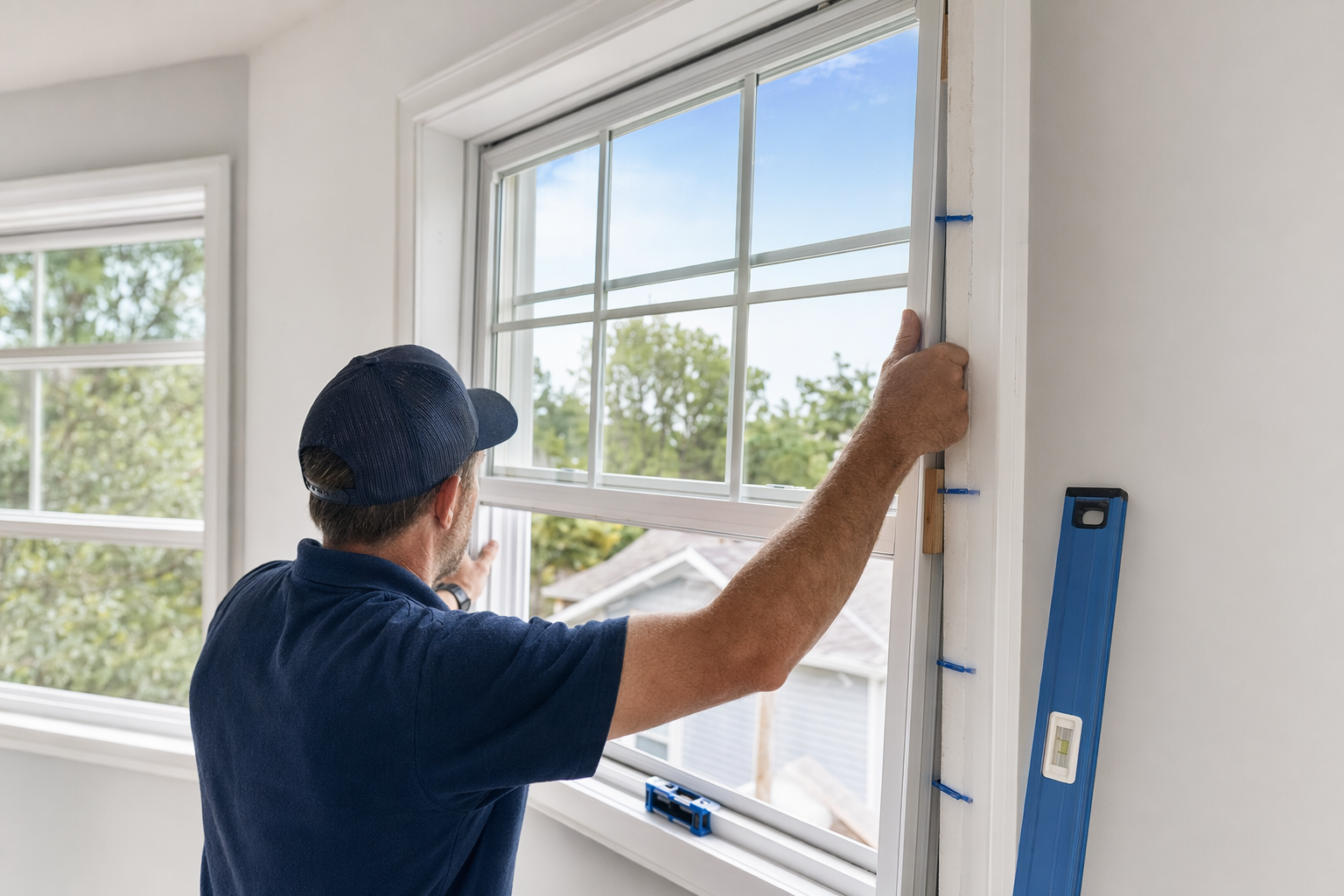
- Insert replacement instead of full-frame, if the existing frame is still sound and square
- Standard sizes instead of custom sizes
- Double-hung or slider styles instead of more complex shapes
- Vinyl frames instead of wood or some fiberglass options
- Double-pane Low-E glass instead of upgrading further than your climate needs
- Replacing more than one window at the same time, which can lower labor cost per unit
A few things usually raise the price fast:
- Rot, water damage, out-of-square openings, or trim problems
- Full-frame replacement
- Specialty shapes, bay or bow windows, and large picture units
- Impact-rated windows in storm zones, often around $700-$1,600 per window installed as a typical range
- Bay or bow units, often around $1,500-$4,500 as a typical installed range
If you want a quick baseline before talking to installers, start with our window cost guide.
Cheap vs. low-value: where homeowners lose money
A cheap window job can become an expensive problem if the scope is wrong. The goal is not just to buy the lowest-priced window. The goal is to solve drafts, leaks, hard operation, and old glass without paying for upgrades you do not need.
Here is where people get burned:
1. Buying the wrong replacement method
If the old frame is solid, an insert can cost less and work well. But if there is rot, water intrusion, or frame damage, forcing an insert into a bad opening can waste money. You may pay again later for repair work.
2. Paying for features that do not match the climate
Triple-pane glass, premium coatings, and specialty packages can help in some homes, but they are not always the cheapest smart choice. In many cases, a good double-pane Low-E package is enough. Learn the basics in window energy ratings explained.
3. Ignoring the frame material
Vinyl is often the lowest-cost option and can be a good fit for many homes. Fiberglass can be strong and stable but often costs more. Wood can look beautiful but usually costs more up front and may need more maintenance. See the tradeoffs in our frame material guide.
4. Comparing prices without comparing scope
One bid may look cheaper because it leaves out disposal, exterior trim, interior finish work, upgraded glass, or permit-related tasks required by local code. The lowest number on page one is not always the cheapest total project.
5. Expecting energy savings to pay for everything
New windows can reduce drafts and heat loss. They can improve comfort. But honest energy savings are usually modest and variable, not magic. Savings depend on the old windows, the new glass package, air sealing, climate, local energy rates, and how the home is used. Never buy based on a guaranteed payback claim.

The real price drivers you can control
If your goal is the lowest reasonable price, focus on the choices that matter most.
- Window style: Simple styles usually cost less than complex ones. Double-hung is common and often budget-friendly. Casement windows can seal well but may cost more depending on size and hardware. If you are comparing styles, see double-hung windows and casement windows.
- Replacement type: Insert replacement is usually cheaper than full-frame, but only if the existing frame is in good shape.
- Frame material: Vinyl often costs less. Fiberglass and wood often cost more.
- Glass package: Double-pane is common. Triple-pane may add cost. Low-E coating and argon gas can make sense, but ask whether the upgrade fits your climate and budget.
- Standard vs. custom size: Standard sizes are usually cheaper and faster.
- Project size: Replacing several windows together can reduce setup and labor cost per window. A whole-house project often runs about $8,000-$25,000+ as a broad typical range.
- Home condition: Old trim, damaged sills, lead-safe work practices in older homes, and difficult access can all raise labor cost.
The cheapest path is often this: replace the worst windows first if your budget is tight, stick with a common style and a sensible glass package, and avoid paying for premium features that do not solve your actual problem.
If comfort and lower drafts matter most, read more about energy-efficient windows.
How to compare quotes without getting tricked
Use this simple checklist. It helps you compare bids fairly.
1. Get at least 3 written quotes.
Same rough scope. Same number of windows. Same style.
2. Make sure each quote lists the exact product details.
Ask for these in writing:
- Frame material
- Window style and size
- Glass package
- U-factor and SHGC
- Double or triple pane
- Low-E coating and argon, if included
- Insert or full-frame replacement
- Interior and exterior finish work
- Haul-away/disposal
- Warranty terms from the manufacturer and the installer
3. Verify license and insurance yourself.
Do not just accept a logo on a flyer. Ask for the license number and proof of insurance. Then verify them yourself. Our installer vetting guide can help.
4. Ask who handles permits if permits are required locally.
Rules vary by area. Follow local building code. Get the permit-related scope in writing before any deposit.
5. Do not compare a cheap quote to a better quote unless the scope matches.
If one installer quoted full-frame and another quoted insert, those are not equal jobs.
6. Hold final payment until the job is finished as agreed.
You compare quotes. You choose who to hire. You hold the final payment.
This one step alone saves people money: put every detail in writing before work starts. That includes product specs, cleanup, schedule, and what happens if hidden damage is found.
What to do next if you want the lowest honest price
Start with a clear plan, not just a low number.
- Walk through your house and list the windows with the worst problems: drafts, broken seals, rot, sticking, water stains, or hard locks
- Decide if you want to replace all windows now or phase the project over time
- Ask each installer to explain whether insert or full-frame makes sense for each opening
- Keep the specs simple unless your climate or house truly needs more
- Get every quote in writing and compare line by line
- Verify license and insurance yourself before signing anything
SashPoint is a free matching service. We help homeowners understand options and get matched with participating window installers. Matching is free to you, and participating installers pay a flat fee to be included. You can start here: Get matched.
If you speak another language at home, that is okay. Clear written scope matters even more. Ask questions until you understand the style, frame, glass package, and total installed price.
To spend less on window replacement, keep the job simple: compare 3 written quotes for licensed and insured installers, use standard-size vinyl windows if they fit your house, do not overbuy glass upgrades, and make sure the quote clearly shows the style, frame, glass package, U-factor, SHGC, and whether it is insert or full-frame.