Free Window Cost-Per-Window Worksheet
This free worksheet helps you compare replacement window prices in a simple way. Use it to line up bids, spot missing details, and keep control of the job before you sign anything.
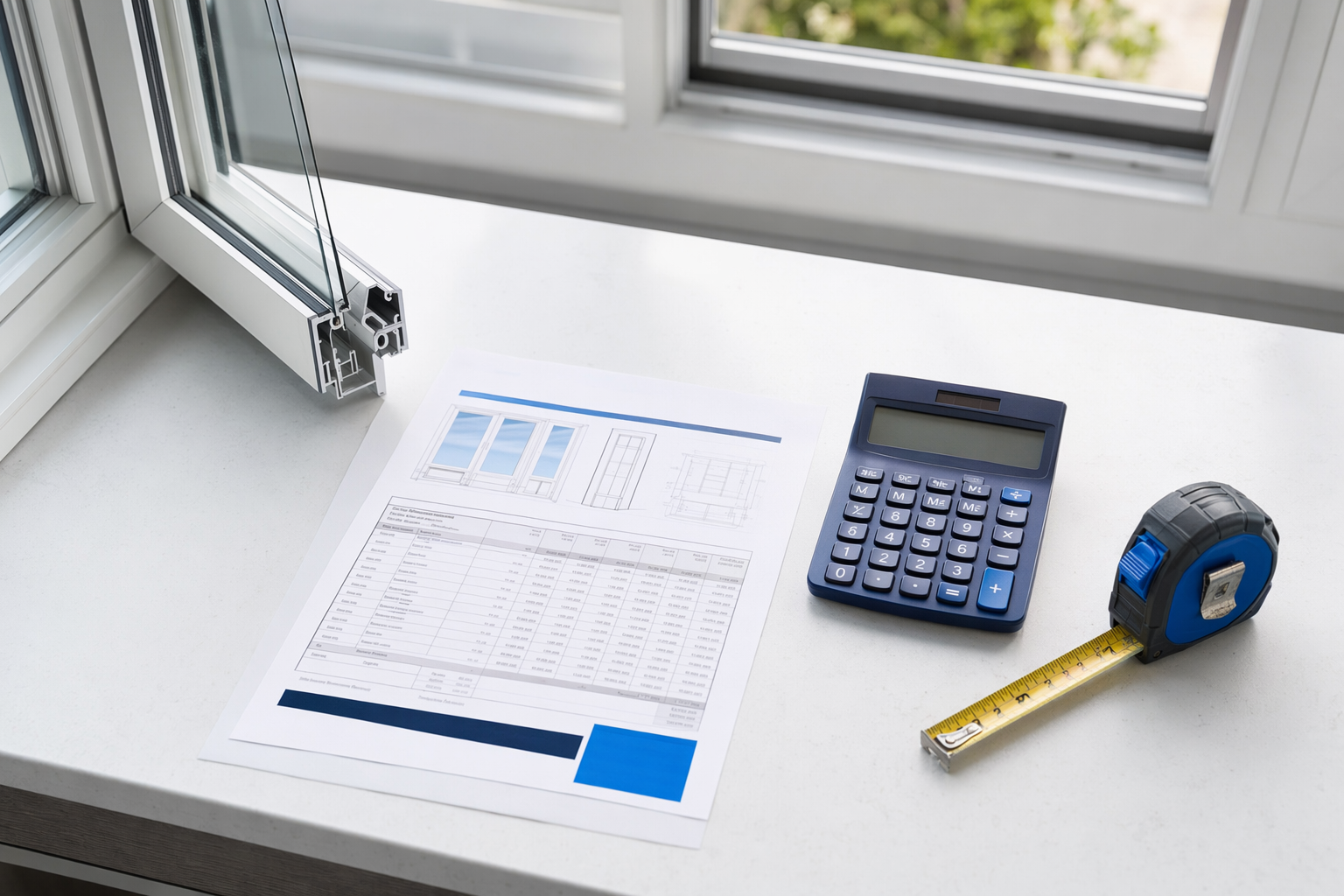
What this worksheet is
Our window-cost-worksheet.pdf is a simple planning tool for homeowners. It is meant to help you track cost per window, window type, glass package, frame material, and installation details from one installer to the next.
It is not a quote, bid, contract, or savings guarantee. It will not tell you the exact price for your home. Real installed cost depends on the number and size of windows, the style, the glass package, the home's age and condition, the climate and local energy rates, and the area.
For many homes, a typical installed range is about $400-$1,200 per standard window. Bay and bow windows often run about $1,500-$4,500 each. Impact windows are often around $700-$1,600 each. A whole-house project often lands around $8,000-$25,000+. Those are only typical ranges and estimates.
If you want a broader pricing overview before you fill out the sheet, see window costs.
How to use it the right way
Use the worksheet when you talk to installers and when you review written proposals. The goal is simple: make sure you are comparing the same job.
- List each window opening. Count how many windows you want replaced and note the style, like double-hung, casement, slider, picture, bay, or bow.
- Write down the size if you have it. Even rough width and height help. Bigger windows usually cost more.
- Track the frame material. Vinyl, fiberglass, and wood do not price the same. If you need help, read the frame material guide.
- Record the glass package. Ask for the Low-E coating, double or triple pane, argon gas, and any grids or tempered glass requirements.
- Capture the ratings in writing. Ask for U-factor and SHGC so you can compare energy performance apples to apples.
- Note the install method. Full-frame replacement usually costs more than insert replacement because the scope is bigger.
- Add labor, trim, disposal, and permit notes. If something is excluded, write that down too.
A cheap-looking per-window number can hide missing work. One bid may include exterior trim wrap and disposal. Another may not. That is why the worksheet matters.

What details matter most when you compare bids
The best use of this worksheet is to slow the sales process down. Before any deposit, get the price and scope in writing.
- Window style: A double-hung window usually prices differently than a casement or picture window.
- Glass package: Low-E coating, argon gas, pane count, and spacer system can change price and comfort.
- Energy ratings: Ask for U-factor and SHGC, not just words like "energy efficient." You can learn the basics in our window energy ratings guide.
- Frame material: Vinyl is often lower cost. Fiberglass and wood may cost more.
- Install scope: Full-frame vs insert makes a real difference.
- Home condition: Old trim, hidden rot, out-of-square openings, and access issues can raise labor costs.
- Area and code: Prices vary by region. Local permit and code requirements matter too.
Energy-efficient windows can reduce drafts and heat loss, but savings are usually modest and vary widely. They depend on your old windows, climate, thermostat habits, local energy rates, and the exact products installed. Do not rely on any promised dollar savings or payback claim.
Next step after you fill it out
Once your worksheet is filled in, use it to compare licensed, insured installers side by side.
- Verify license and insurance yourself. Do not skip this.
- Confirm permits and code rules locally. Follow local building requirements.
- Check the written scope before you pay a deposit. Make sure the proposal lists frame, glass package, ratings, and installation method.
- Keep final control. You compare quotes, you choose who to hire, and you hold the final payment until the job is complete under your agreement.
SashPoint is a free matching service for homeowners. We do not install or manufacture windows. We help you get connected with licensed and insured installers so you can compare your options. If you are ready, you can get matched for free.
Download the worksheet, write down each window and each bid detail, and compare the same scope side by side. Verify license and insurance yourself, get the scope in writing, and choose the installer only after the numbers make sense.