Free Window Quote Comparison Guide
Window quotes can look similar but hide big differences in glass, frames, labor, and warranty terms. This free guide helps you compare offers line by line so you can make a cleaner, safer decision.

What this free guide is
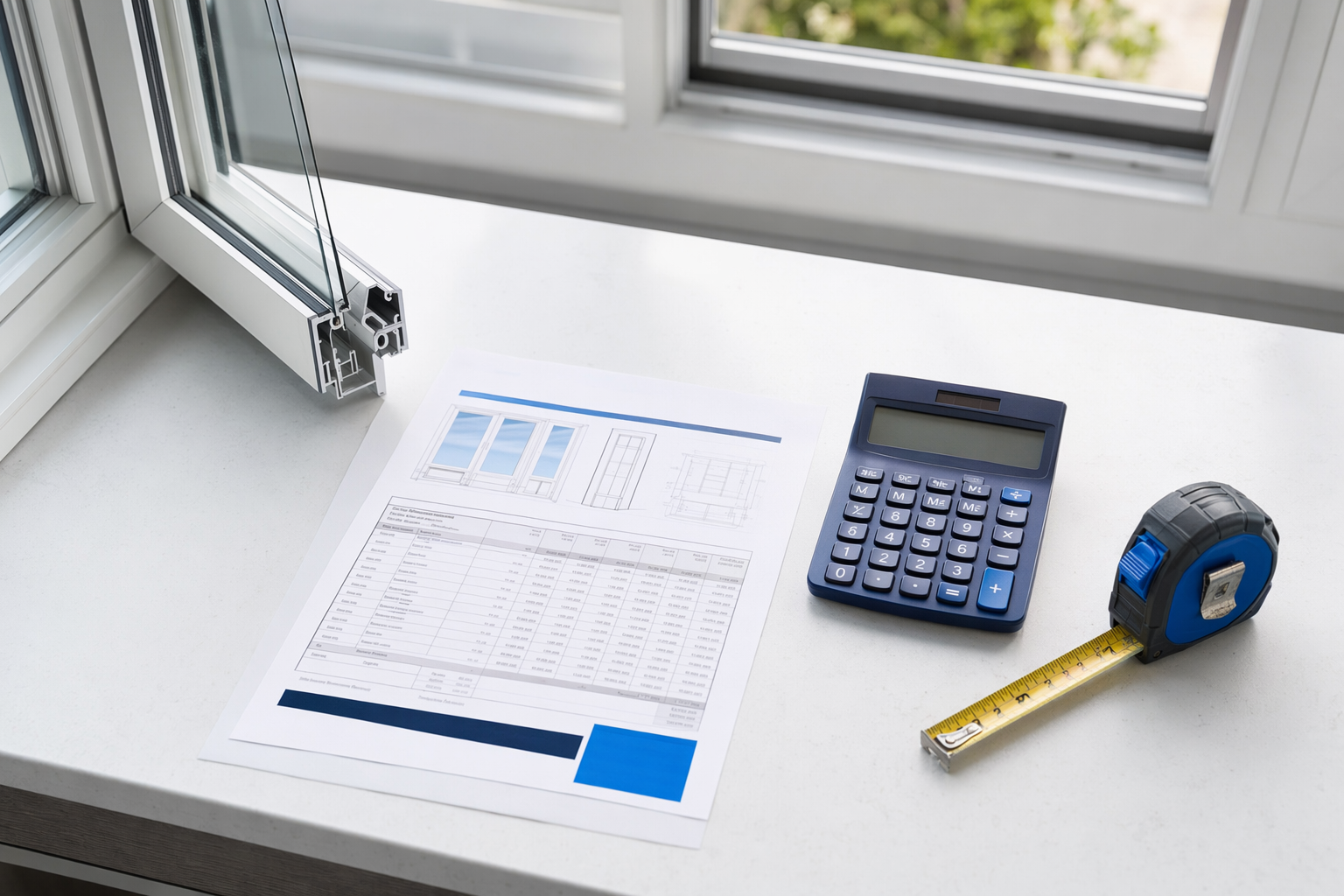
Our downloadable window-quote-comparison-guide.pdf is a simple worksheet you can use when you collect bids for replacement windows. It is made for homeowners who want plain language, clear questions, and a better way to compare one offer against another.
SashPoint is not a window installer or manufacturer. We are a free matching service that helps you connect with licensed, insured window installers. You compare the quotes. You choose who to hire. You hold the final payment.
If you are still at the early pricing stage, see window costs first. If you want help finding companies to price your project, you can also get matched.
Why window quotes are hard to compare
Two quotes can both say "10 replacement windows" and still cover very different products and labor.
Common differences that change the real value:
- Window type: double-hung, casement, slider, picture, bay, or bow
- Frame material: vinyl, fiberglass, or wood
- Glass package: double pane vs triple pane, Low-E coating, argon gas, spacer system
- Energy ratings: U-factor and SHGC may differ even when the windows look similar
- Installation method: insert replacement vs full-frame replacement
- Exterior and interior finish work: trim, casing, capping, paint, caulk, disposal
- Warranty terms: product warranty, labor warranty, transfer rules, exclusions
That is why price alone is not enough. A lower number may leave out work you expected. A higher number may include a better glass package or more labor.
For most standard replacement windows, installed cost is often around $400-$1,200 per window as a typical range. Impact windows often run about $700-$1,600 each, and bay or bow units can be about $1,500-$4,500. Whole-house projects often land around $8,000-$25,000+. These are estimates, not quotes. Real pricing depends on the number and size of windows, the style and glass package, the home's age and condition, the climate and local energy rates, and your area.
How to use the guide
Use it while each installer is still preparing the bid, not after you already feel pressure to sign.
- List each company on one sheet. Write down the license name, contact person, and proof of insurance.
- Match each window to each room. Make sure all quotes cover the same openings and sizes.
- Write the exact product details. Ask for frame material, glass package, Low-E type, argon or not, and the stated U-factor and SHGC.
- Check the install method. Confirm whether the quote is for insert replacement or full-frame replacement.
- Look for what is excluded. Trim work, rotten wood repair, permit fees, lead-safe practices for older homes, and debris removal are common trouble spots.
- Get timing and payment terms in writing. Deposit amount, milestone payments, expected lead time, and final walkthrough should all be clear.
If energy performance matters to you, read window energy ratings explained. If you are unsure about vinyl vs fiberglass vs wood, our frame material guide can help you ask better questions.
What a good quote should show clearly
A usable quote does not need fancy design. It needs specifics.
Ask every installer to put these items in writing before any deposit:
- Number of windows and rough sizes
- Window style for each opening
- Frame material and color
- Glass package details, including Low-E and gas fill if included
- Energy ratings such as U-factor and SHGC when available
- Whether the job is insert or full-frame replacement
- Scope of interior and exterior finish work
- Permit responsibility if permits are required locally
- Cleanup and disposal
- Product warranty and labor warranty
- Total project price and payment schedule
Always hire licensed and insured installers and verify the license and insurance yourself. Follow local permit and building-code rules. Do not rely on verbal promises. Get the full scope and price in writing before any deposit.
Next step after you download it
Print the guide or keep it open on your phone while you talk to installers. Use the same questions with each company. That keeps the comparison fair.
Remember, energy-efficient windows can reduce drafts and heat loss, but savings are usually modest and variable, not guaranteed. Actual savings depend on the number and size of windows, the window style and glass package, the home's age and condition, the climate and local energy rates, and your area.
When you are ready, SashPoint can help you connect with installers so you can collect and compare bids side by side. Start here: get matched.
Download the free guide, use the same checklist with every installer, and do not compare quotes by price alone. Verify license and insurance yourself, get the full scope and energy details in writing, and choose the company that gives you the clearest value.