How window installation works, step by step
Replacing windows is not just “take out the old one, put in the new one.” The details matter. If you understand the steps, you can compare bids better, avoid surprises, and choose a licensed, insured installer with more confidence.
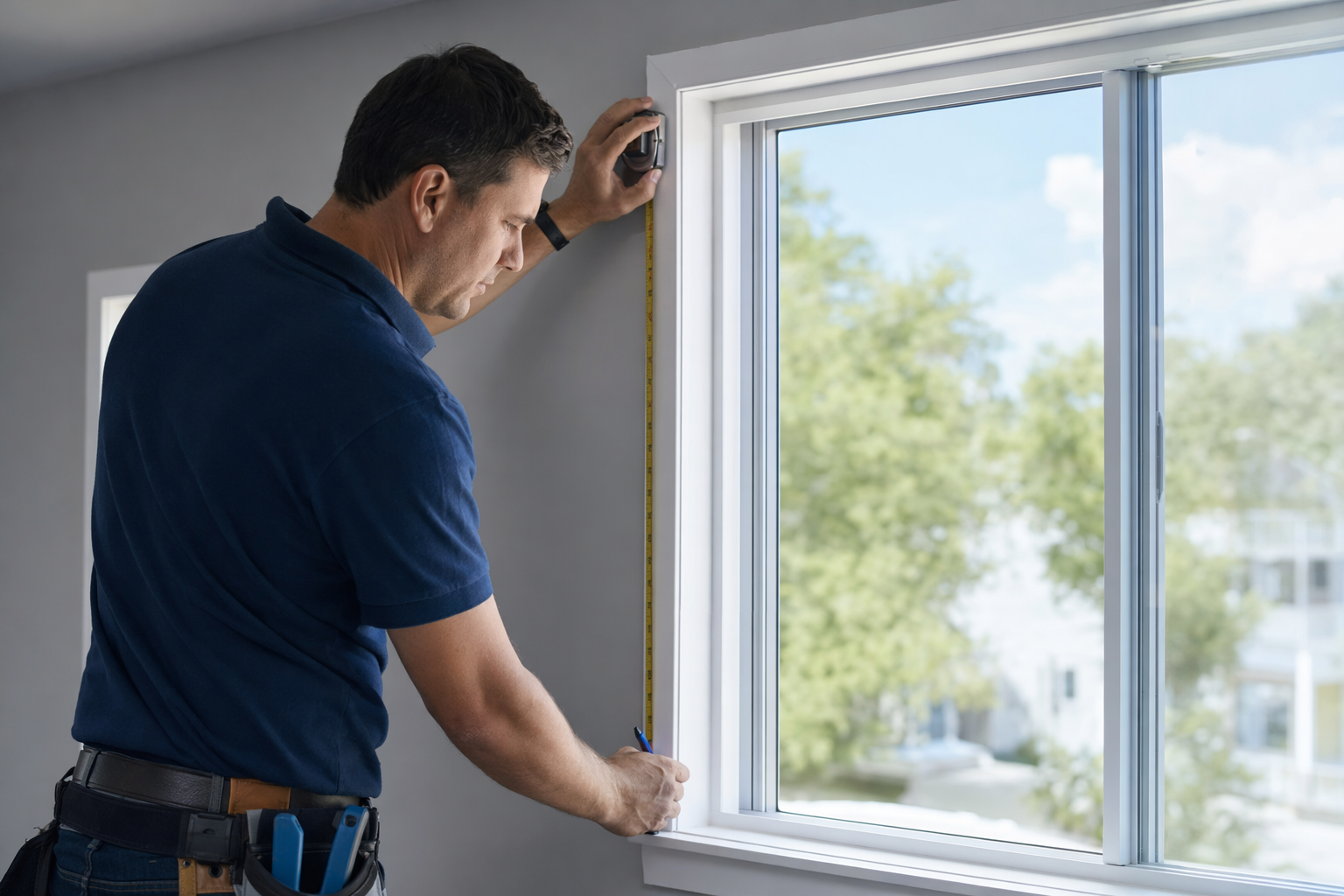
What usually happens in a window replacement project
A typical window replacement job has three parts: planning, installation, and final check. The installer does the work, but you still need to know what should happen at each step.
Before the job starts, someone should measure each opening, confirm the window style, review the frame material, and explain the glass package. This is where details like double vs triple pane, Low-E coating, argon gas, U-factor, and SHGC come into play. If those terms are fuzzy, read window energy ratings explained before you sign anything.
Then comes the install day. Old windows are removed, the opening is checked for damage, the new unit is set, leveled, insulated, sealed, and trimmed. After that, the installer should test operation, lock alignment, and weather sealing.
For most homeowners, the biggest decision is not just the brand or style. It is whether the installer is using insert replacement or full-frame replacement. Insert replacement keeps more of the existing frame if it is still in good shape. Full-frame replacement removes the entire old frame and is often more work, more material, and more cost, but sometimes it is the right call if there is rot, movement, or old damage.
If you are still figuring out style and efficiency options, energy-efficient windows can help you narrow the basics.
Step by step: from first visit to finished window
1. Project review and measurements
The installer measures each window opening and notes any issues with the home’s siding, trim, interior casing, or wall condition. Older homes can have out-of-square openings, hidden moisture damage, or paint layers that affect the fit.
2. Choose the window and glass package
You pick the style, frame material, and performance level. Common frame choices include vinyl, fiberglass, and wood. Each has tradeoffs in price, maintenance, and appearance. This is where a good frame material guide helps.
3. Get the scope in writing
Before any deposit, ask for the exact scope in writing: window count, sizes, style, frame material, interior and exterior finish work, glass package, hardware, U-factor, SHGC, warranty terms, and whether the work is insert or full-frame. Do not rely on verbal promises.
4. Permits and scheduling
Requirements vary by area. Follow local permits and building code. A licensed, insured installer should tell you what is required, but you should verify the license and insurance yourself.
5. Order and lead time
Most replacement windows are ordered to size. That means there is usually a wait between signing and install day. Custom sizes, specialty shapes, and some higher-performance glass packages can take longer.
6. Removal of old windows
On install day, the crew protects floors and nearby surfaces, removes the old sash or frame, and inspects the opening. This is one moment where hidden rot or water damage can show up.
7. Prep and set the new window
The opening is cleaned and prepared. The new unit is placed, shimmed, leveled, squared, and fastened. A good fit matters. Even a good window can perform badly if it is not installed correctly.
8. Insulate and seal
The gap around the frame is insulated and sealed. Exterior caulk and flashing details matter because they help manage air and water.
9. Interior and exterior finish work
Depending on the project, this may include trim touch-up, capping, or light finish work. Ask in advance what is included and what is not.
10. Final walkthrough
Open and close every window. Lock and unlock it. Check the screens. Ask how to clean the glass, operate tilt sashes if applicable, and register any manufacturer warranty.

What affects cost and timeline
For most standard replacement windows, installed cost often falls around $400-$1,200 per window. Bay or bow windows often run about $1,500-$4,500. Impact-rated windows often land around $700-$1,600 per window. A whole-house project commonly totals $8,000-$25,000+.
These are typical ranges, not quotes or guarantees. Real price depends on:
- Number of windows
- Size of each opening
- Window style
- Glass package and efficiency level
- Frame material
- Full-frame vs insert replacement
- Home age and condition
- Interior and exterior finish work
- Climate and area labor costs
Energy savings also vary. New windows can reduce drafts, improve comfort, and cut some heat loss or heat gain, but typical savings are usually modest and depend on your old windows, climate, local energy rates, glass package, and the rest of the home. Do not expect anyone to promise a specific payback period or guaranteed dollar savings.
If you want a better cost baseline before talking to installers, start with window replacement costs.
What you should do before you sign
Homeowners get burned when they rush the paperwork. Slow down here.
- Hire licensed and insured installers and verify both yourself.
- Ask whether the proposal is for insert or full-frame replacement.
- Get the price and scope in writing before any deposit.
- Make sure the written scope lists the glass package, frame material, U-factor, and SHGC.
- Ask what happens if the crew finds rot, water damage, or trim problems after removal.
- Confirm who handles cleanup and debris.
- Ask what finish work is included inside and outside.
- Follow local permit and code requirements.
- Keep copies of the contract, change orders, warranty, and final receipt.
A smart way to compare is to ask each installer the same questions. That makes the differences easier to see. Our guide on how to vet a window installer gives you a practical checklist.
And remember: you compare quotes, you choose who to hire, and you hold the final payment until the job is complete as agreed.
Common mistakes homeowners make
Some mistakes cost money. Others cause leaks, drafts, or fights over what was promised.
Mistake 1: Comparing only the bottom-line price
A lower price may reflect a different frame, weaker glass package, less finish work, or insert replacement instead of full-frame. Compare the actual scope, not just the total.
Mistake 2: Ignoring the glass details
The words “energy efficient” are not enough by themselves. Ask what Low-E coating is included, whether there is argon gas, and what the U-factor and SHGC are for your climate.
Mistake 3: Not asking about the opening condition
Older homes can hide water damage, rot, or movement. If the installer finds problems after removal, that can change the job. Ask upfront how those changes are handled and priced.
Mistake 4: Paying too much too early
Deposits are common, but do not hand over final payment before the work is done and checked.
Mistake 5: Assuming every crew works the same way
Good installers protect floors, remove and install carefully, test each unit, seal properly, and explain maintenance. Bad ones rush.
Mistake 6: Choosing without seeing the quote in writing
If the quote does not clearly state style, size, frame, glass package, ratings, and finish work, you are leaving room for confusion later.
Your next step
If you are early in the process, make a short list of what matters most: price range, style, frame material, and energy goals. Then talk to licensed, insured installers and compare written scopes side by side.
SashPoint is a free matching service for homeowners. We do not install windows. We help you understand the project and get matched with participating licensed, insured installers. The matching is free to you, and you stay in control of who you speak with and who you hire.
When you are ready, you can get matched and start comparing options.
Learn the steps, get the exact window scope in writing, verify the installer's license and insurance yourself, and compare quotes carefully before you choose who to hire.