Are Energy-Efficient Windows Worth It?
Sometimes yes. Sometimes no. **Energy-efficient windows can improve comfort and lower heat loss**, but the value depends on your climate, your old windows, the glass package, and the installed price.
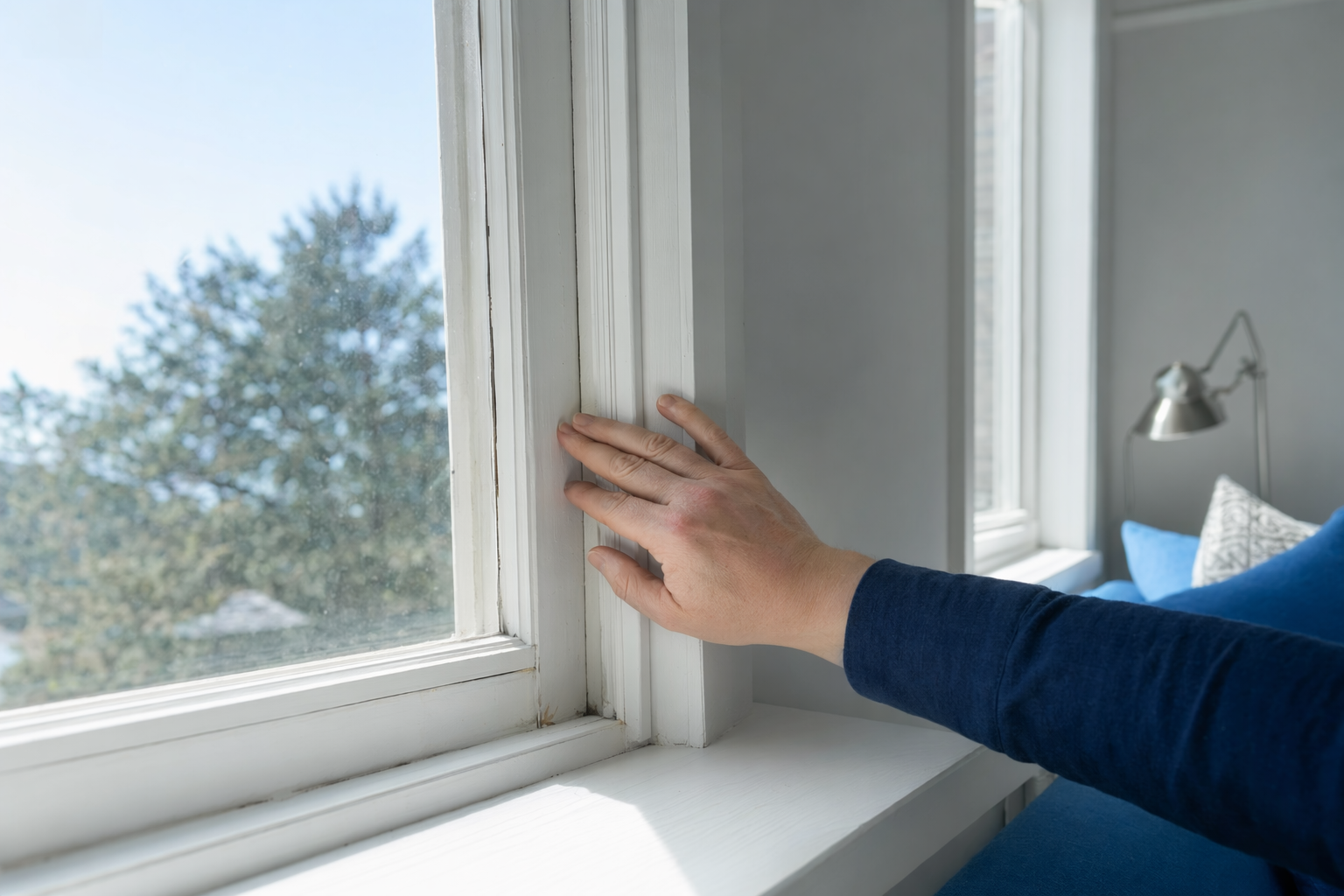
The short answer
If your windows are old, drafty, hard to lock, or have failed seals, energy-efficient replacement windows are often worth a close look. They can make rooms feel less cold in winter and less hot in summer. They may also reduce outside noise and help your HVAC system work a little less.
But here is the honest part: the energy savings are usually modest, not magical. Most homeowners do not see life-changing utility bill drops from windows alone. Real savings depend on the number and size of windows, the window style and glass package, the home's age and condition, the climate and local energy rates, and the area.
Typical installed cost is roughly $400-$1,200 per standard window for many common styles. Impact windows are often $700-$1,600 each. Bay and bow windows often run $1,500-$4,500. A whole-house project can easily land around $8,000-$25,000+ depending on scope.
So are they worth it? Usually more for comfort, fewer drafts, easier operation, and glass performance than for quick payback. If you want a clear side-by-side on features, start with energy-efficient windows and compare the glass details in writing.
What makes a window energy efficient
A window is not "efficient" just because a salesperson says so. You want to look at the full glass package and the ratings.
Key things that matter:
- U-factor: Lower usually means less heat moves through the window. In plain English, lower U-factor is better for insulation.
- SHGC: Short for Solar Heat Gain Coefficient. Lower SHGC blocks more solar heat. That can help in hot climates. In colder climates, the best target may differ.
- Low-E coating: A thin coating on the glass that helps control heat transfer.
- Double vs triple pane: Double pane is common and often enough for many homes. Triple pane can help in very cold climates or noisy areas, but it costs more and is not always worth the extra price.
- Argon gas: Often used between panes to improve thermal performance.
- Frame material: Vinyl, fiberglass, and wood all perform differently on price, maintenance, and durability.
The frame matters too. A good glass package in a poor frame, or a good window installed badly, can still lead to drafts and water problems. Read more about window energy ratings and compare frame tradeoffs in the frame material guide.
Also remember: installation quality matters as much as the window itself. Air sealing, shimming, flashing details, and fit can affect comfort and performance just as much as the label.

When they are usually worth it — and when they are not
Here is the practical homeowner view.
They are often worth it if:
- Your current windows leak air, rattle, stick, or no longer lock well.
- You feel strong drafts near the glass in winter or heat buildup in summer.
- The seals are broken and you see fogging between panes.
- The frames are rotting, warped, or damaged.
- You are already planning exterior work and want to replace failing windows at the same time.
- You want better comfort in bedrooms, nurseries, or rooms with harsh afternoon sun.
They may be less worth it if:
- Your current windows are in decent shape and the main problem is small air leaks that weatherstripping or caulk could address.
- You are expecting the windows to "pay for themselves" quickly through utility savings alone.
- You are choosing expensive upgrades that do not match your climate or actual needs.
- You have bigger efficiency issues first, like poor attic insulation, major air leaks, or an aging HVAC system.
In many homes, the smartest answer is not "buy the most expensive window." It is buy the right window for your climate and home, and make sure the installer does clean, code-following work.
Ask yourself:
- Are my current windows actually failing, or just old?
- Is my goal lower bills, better comfort, less noise, or all three?
- Would insert replacement work, or do I need full-frame replacement because of frame damage?
- Does the quote clearly show the glass package, U-factor, SHGC, frame material, and warranty terms?
If you are replacing a common style, it helps to compare basic designs too, like double-hung windows versus other operating styles.
What kind of savings should you realistically expect?
This is where many homeowners get pushed with numbers that sound too clean.
There is no guaranteed dollar savings. Typical savings vary widely with climate, local utility rates, sun exposure, thermostat habits, the condition of the old windows, and the rest of the house envelope.
A realistic way to think about it:
- If you are replacing very old single-pane or badly leaking windows, you may notice a meaningful improvement in comfort and some reduction in heating or cooling waste.
- If you already have decent double-pane windows, the utility-bill change from upgrading again may be small.
- In hot climates, SHGC can matter a lot for west- and south-facing windows.
- In cold climates, lower U-factor often matters more.
Many homeowners feel the value first in comfort:
- fewer cold spots near windows
- less drafty air movement
- more even room temperature
- less condensation in some conditions
- quieter rooms, depending on the glass package
That comfort can be worth real money to you, but it is not the same as a guaranteed return on investment. Be careful with any claim that promises a set payback period or fixed monthly savings. Honest installers should talk in ranges and conditions, not guarantees.
If you want to compare what affects price before you start, see window costs for typical ranges and project factors.
How to shop smart and avoid getting burned
Good windows can be a solid upgrade. Bad sales pressure can make them a bad deal.
Use this checklist:
- Get at least 2-3 written quotes. The quote should list window count, sizes, style, frame material, glass package, U-factor, SHGC, and whether the job is insert or full-frame.
- Verify license and insurance yourself. Do not rely on a badge on a flyer or a verbal claim.
- Ask what prep and finish work is included. Trim, disposal, exterior capping, lead-safe practices for older homes, and interior touch-up can change the real price.
- Do not judge on price alone. A low quote with weak glass specs or rushed installation may cost more later.
- Follow local permits and code. Requirements vary by area.
- Do not pay in full upfront. Hold final payment until the work is complete and you have inspected it.
A few smart questions to ask:
- What is the exact glass package?
- What are the U-factor and SHGC numbers?
- Is this an insert replacement or full-frame replacement, and why?
- Who handles permits if required in my area?
- What warranty covers the product, and what covers labor?
SashPoint is free for homeowners. We help you compare options and get matched with licensed, insured installers in your area. You review the quotes, ask questions, and choose who to hire. Start here: get matched or use this checklist to vet a window installer.
Energy-efficient windows can be worth it if your old windows are drafty or failing, but do not expect miracle savings. Compare 2-3 written quotes, check U-factor and SHGC, verify license and insurance yourself, and choose the installer only after you understand the full scope and price.