Replacement Windows Lasts How Long? | SashPoint
The short answer: many replacement windows last about 15 to 30 years, but the real lifespan depends on the frame, glass package, climate, installation quality, and how well they are maintained. A good window can still underperform early if it is the wrong fit for the house or installed badly.
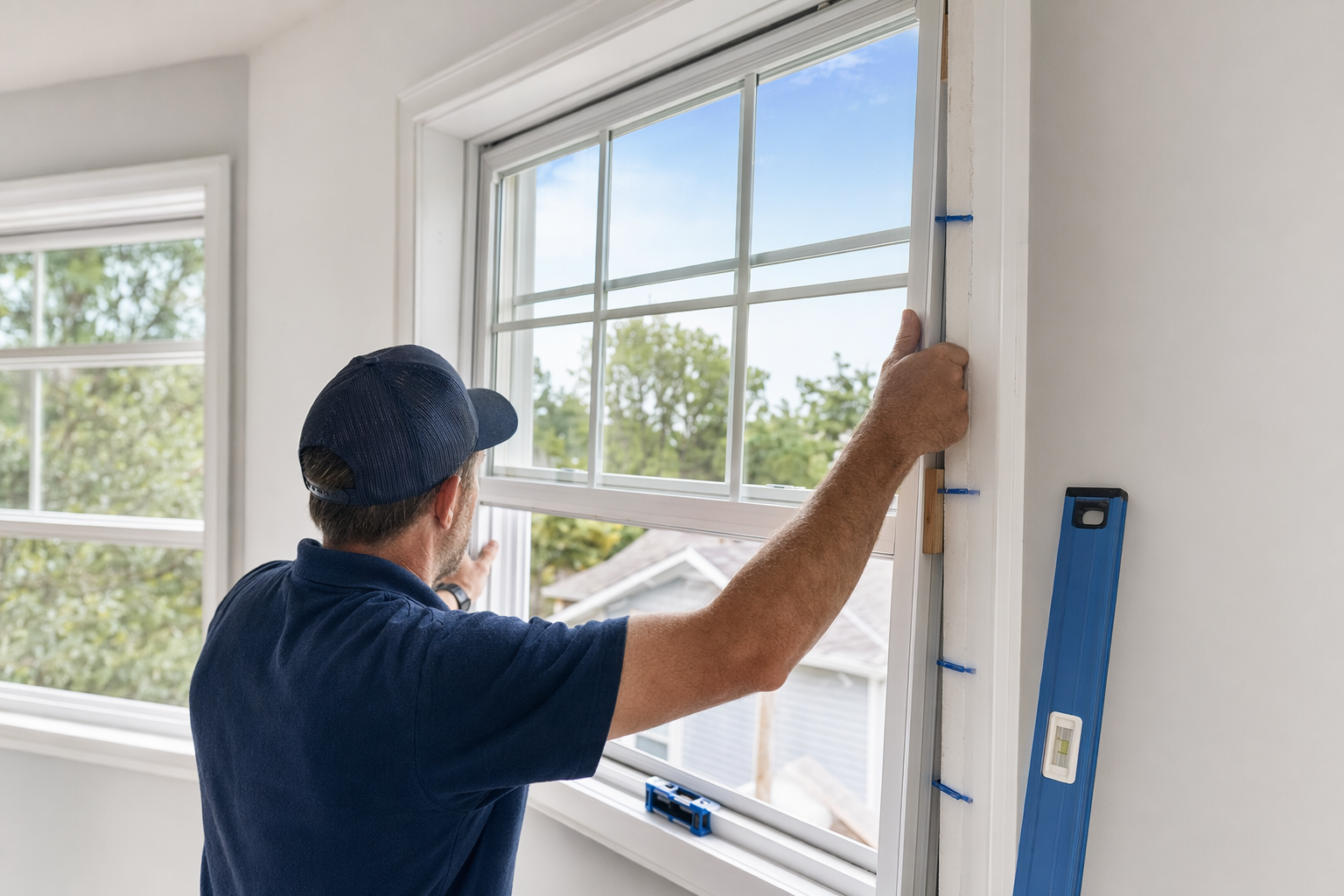
The short answer: most windows last longer than the sales pitch
For many US homes, replacement windows often last around 15 to 30 years. Some last less. Some last more. There is no honest one-number answer.
A basic vinyl window in a mild climate may perform well for years if it is installed correctly and the sash, weatherstripping, and insulated glass unit stay tight. A better-built fiberglass or wood-clad unit may last longer, but only if moisture, movement, and maintenance are handled well.
What matters most is not just the brand or the sticker. It is the full package:
- Frame material: vinyl, fiberglass, and wood all age differently
- Glass package: double pane vs triple pane, Low-E coating, argon fill
- Installation quality: air sealing, flashing, shimming, squaring, trim work
- Exposure: strong sun, coastal salt air, storms, freeze-thaw cycles
- Home condition: old framing, water intrusion, settling, out-of-square openings
- Use and maintenance: windows that are opened often wear hardware faster
If you are still deciding what type of window makes sense, compare the frame and glass details, not just the pitch. Our frame material guide and glass package guide can help you ask better questions.
What usually wears out first
A window rarely fails all at once. More often, one part starts to go before the rest.
Common weak points include:
- Insulated glass seal failure: moisture or fogging between panes can mean the sealed glass unit has failed
- Weatherstripping wear: drafts show up even when the glass still looks fine
- Balance or hardware problems: double-hung windows may not stay open; casement cranks may get stiff or strip out
- Frame movement or warping: this can make locking hard and let in air or water
- Caulk and exterior sealing breakdown: water problems often start outside the window, not in the glass
Typical signs a window may be near the end of its useful life:
- You feel drafts when the window is locked shut.
- Condensation forms between glass panes, not just on the room side.
- The sash sticks, tilts, sags, or will not lock cleanly.
- There is soft trim, staining, or water damage around the opening.
- Outside noise seems much worse than it should be for a closed window.
- Your heating or cooling feels uneven near the window wall.
That does not always mean full replacement is needed right away. Sometimes a glass unit, balance system, or exterior sealing issue can be repaired. But if the frame is failing, the opening has water damage, or several windows have the same problems, replacement may be the smarter long-term move.
Energy performance matters too, but be careful with promises. New windows can reduce drafts and heat loss, yet typical savings are modest and vary widely based on climate, local energy rates, house leakage, and the exact glass package. Learn the labels before you buy in our window energy ratings guide.

How long different window types often last
Here is the practical version homeowners usually want. These are typical ranges, not guarantees.
- Vinyl replacement windows: often about 15 to 25 years, sometimes longer in moderate climates with good installation
- Fiberglass windows: often about 20 to 30+ years because the material is stable and handles temperature swings well
- Wood windows: can last 20 to 30+ years or more, but only with consistent maintenance and moisture control
- Aluminum windows: lifespan varies widely; older units can be durable but often perform worse on insulation unless designed with proper thermal breaks
- Impact-resistant windows: often land in a similar lifespan range to their base frame type, but coastal exposure and storm conditions can affect seals and hardware faster
The style matters too:
- Double-hung windows have more moving parts and weatherstripping, so balances and air leakage points can show wear earlier. See double-hung window basics.
- Casement windows often seal tightly when new, but hinges and crank hardware need to stay in good shape. See casement window basics.
- Picture windows have fewer moving parts, so they may avoid some hardware issues, though glass seal failure is still possible.
Do not treat warranty length as the same thing as real lifespan. A long warranty may cover some parts and exclude labor, glass breakage, seal details, transferability, or prorated years. Read the terms.
Also remember that a premium window installed poorly can fail early, while a modest window installed carefully may serve you well for years.
Why some windows fail early
When homeowners get burned, it is often not because the window was "bad" in a simple way. It is because the project was mismatched or rushed.
Early failure often comes from:
- Bad measuring: the unit is too small, over-shimmed, or forced into an opening
- Poor installation: out of square, poor insulation around the frame, weak flashing, sloppy exterior sealing
- Wrong product for the climate: glass package and solar control not matched to local weather
- Cheap hardware: locks, balances, rollers, and cranks wear out faster than expected
- Existing water issues: rotten framing or drainage problems were covered, not fixed
- Too much focus on price alone: the low bid leaves out glass specs, trim details, disposal, or needed frame work
This is why your quote should spell out the scope in writing before any deposit:
- Window style and operation
- Frame material
- Glass package, including Low-E, pane count, and gas fill if included
- Key ratings like U-factor and SHGC
- Whether it is insert or full-frame replacement
- Interior and exterior finish details
- Cleanup, disposal, warranty terms, and who handles service calls
And always hire licensed and insured installers. Verify the license and insurance yourself. Follow local permit and building code requirements. SashPoint is a free matching service, not an installer, so we strongly recommend vetting every company before you sign. Our installer vetting guide gives you a simple checklist.
What to do next if your windows are old or failing
If your windows are 15 to 25 years old and you notice drafts, fogging, or sticking, do not start with a yes-or-no replacement mindset. Start with a clear inspection and comparison process.
A smart next step looks like this:
- Walk the house. Note which windows are drafty, hard to lock, fogged, or stained.
- Check the outside. Look for failed caulk, trim damage, and signs of water entry.
- Decide your goal. Lower drafts? Easier cleaning? Better noise control? Better summer comfort? Storm protection?
- Learn the basics of energy specs. ENERGY STAR labels help, but you still want to understand U-factor and SHGC.
- Compare at least a few written estimates. Installed cost for many standard replacement windows often falls around $400 to $1,200 per window, with impact windows often around $700 to $1,600 and bay or bow units much higher, often $1,500 to $4,500. Whole-house projects commonly land around $8,000 to $25,000+ depending on count, size, style, glass package, house condition, and area. These are typical ranges and estimates, not quotes.
- Verify license and insurance yourself before you hire anyone.
- Hold final payment until the job is complete and the windows operate, lock, and finish properly.
If you want to start comparing local options without paying for a lead service, you can get matched with licensed and insured window installers. Matching is free to homeowners. Participating installers pay a flat fee. You compare quotes, choose who to hire, and stay in control.
Hầu hết cửa sổ replacement thường dùng được khoảng 15 đến 30 năm, nhưng tuổi thọ thực tế còn phụ thuộc vào khung, glass package, khí hậu và chất lượng lắp đặt. Hãy để ý các dấu hiệu như gió lùa, kính bị mờ giữa các tấm, cửa bị kẹt và vết ố do nước, rồi so sánh báo giá bằng văn bản từ các đơn vị lắp đặt có giấy phép và được bảo hiểm trước khi quyết định.